Whether you own a backyard swimming pool, manage a commercial aquatic centre or maintain a hotel pool, water quality should never be left to guesswork. While clear water may appear inviting, it doesn’t always indicate balanced chemistry or effective sanitisation.
Routine testing is the foundation of effective pool maintenance. Using a reliable pool chlorine test kit Australia allows pool owners to verify chlorine levels, maintain water quality and ensure swimmers enjoy a safe and comfortable experience. For saltwater pools, monitoring salt concentration is equally important, as inadequate salt levels can reduce chlorine production and compromise sanitisation.
By combining chlorine and salt testing, pool owners can make informed maintenance decisions, reduce unnecessary chemical usage and protect valuable pool infrastructure.
Why Chlorine Is Essential for Pool Water Quality
Chlorine remains the most widely used sanitiser in swimming pools because it effectively destroys bacteria, viruses and algae that can accumulate in recreational water.
When chlorine is added to pool water, it forms hypochlorous acid—the active disinfectant responsible for killing microorganisms. However, chlorine is continuously consumed by sunlight, organic matter, body oils, cosmetics and environmental contaminants.
Without regular testing, chlorine levels can quickly drift outside the recommended operating range.
Low chlorine levels may result in:
- Poor disinfection
- Algae growth
- Cloudy water
- Increased bacterial contamination
- Higher chemical consumption to restore balance
Excessively high chlorine levels may contribute to swimmer discomfort, eye irritation and unnecessary chemical costs.
According to international public health guidance, maintaining appropriate disinfectant levels is one of the most effective ways to reduce the risk of recreational water illnesses while ensuring consistent water quality.
Understanding Free Chlorine vs Total Chlorine
Many pool owners only measure free chlorine, but total chlorine provides additional insight into overall water quality.
Free Chlorine
Free chlorine is the active chlorine available to sanitise pool water by eliminating bacteria and other microorganisms.
Combined Chlorine
When free chlorine reacts with contaminants such as sweat, body oils or ammonia, it forms combined chlorine, commonly known as chloramines.
Chloramines are responsible for:
- Strong “chlorine” odours
- Eye irritation
- Skin discomfort
- Reduced sanitising efficiency
Total Chlorine
Total chlorine equals:
Free Chlorine + Combined Chlorine
By measuring total chlorine, pool operators can determine whether chloramines are accumulating and whether corrective actions, such as shock treatment, may be required.
Using a dependable pool chlorine test kit Australia that supports total chlorine testing provides a more complete understanding of pool water chemistry.
Why Salt Levels Matter in Saltwater Pools
Saltwater pools generate chlorine using a salt chlorinator instead of manually dosing chlorine.
For efficient chlorine generation, the salt concentration must remain within the operating range recommended by the chlorinator manufacturer. Most residential saltwater pools operate between 2,700 and 3,500 ppm, although exact requirements vary by system.
Salt levels may decline due to:
- Splash-out
- Backwashing
- Heavy rainfall
- Water replacement
- Leaks
If salt concentration becomes too low, chlorine production decreases, leaving the pool vulnerable to poor sanitisation.
Conversely, excessive salt concentrations may reduce equipment longevity and increase maintenance requirements.
Routine salt testing helps ensure chlorinators operate efficiently while maintaining consistent disinfectant production.
Choosing the Right Pool Chlorine Test Kit in Australia
Not all testing methods provide the same level of convenience or precision.
Professional pool operators often combine rapid routine testing with more detailed analysis when required.
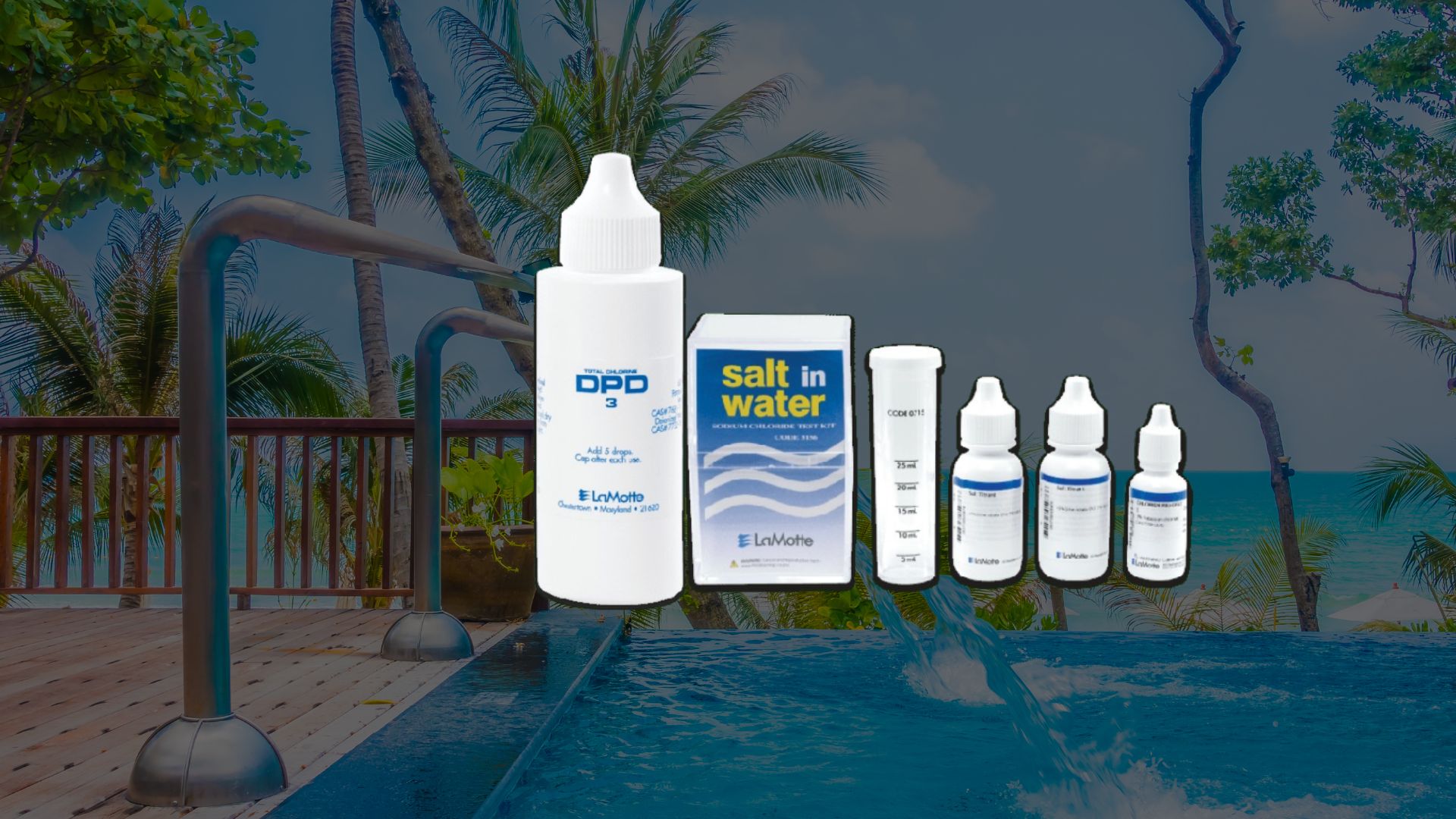
DPD 3 Total Chlorine Liquid Reagent
LaMotte Pacific’s DPD 3 Total Chlorine Liquid Reagent (60 mL) is designed to measure total chlorine, allowing users to determine the presence of combined chlorine after free chlorine testing.
This additional information helps pool operators:
- Monitor chloramine formation
- Improve sanitiser efficiency
- Optimise shock treatment schedules
- Maintain healthier swimming conditions
Routine monitoring of total chlorine supports proactive water management rather than reactive troubleshooting.
Sodium Chloride (Salt) Test Kit
For saltwater pools, the Sodium Chloride (Salt) Test Kit provides an accurate method for measuring salt concentration.
Routine salt testing helps pool operators:
- Verify chlorinator operating conditions
- Maintain consistent chlorine production
- Prevent unnecessary equipment wear
- Reduce unexpected maintenance issues
Monitoring both chlorine and salt together provides a more complete picture of overall pool performance.
Best Practices for Pool Water Testing
To obtain reliable results, pool testing should become part of a regular maintenance schedule.
For most Australian pools, consider the following practices:
- Test chlorine at least two to three times per week during the swimming season.
- Increase testing frequency during periods of heavy pool use.
- Check salt levels after significant rainfall or backwashing.
- Collect water samples away from skimmers and return jets.
- Follow the testing procedure recommended by the manufacturer.
- Store reagents in a cool, dry environment to preserve accuracy.
Consistent testing helps identify gradual changes before they develop into larger water quality problems.
The Cost of Not Testing
Failing to monitor chlorine and salt levels can lead to expensive consequences.
Poorly balanced water may contribute to:
- Increased chemical consumption
- Algae outbreaks
- Cloudy water
- Corrosion of pool equipment
- Reduced chlorinator performance
- Higher maintenance costs
- Shortened equipment lifespan
Regular testing is a relatively small investment that helps avoid costly repairs while supporting a cleaner, safer swimming environment.
Maintain Pool Water with Confidence
Effective pool maintenance depends on accurate, consistent water testing. Monitoring chlorine ensures proper sanitisation, while measuring salt concentration helps salt chlorinators perform efficiently.
Whether you’re responsible for a residential pool, commercial facility or public aquatic centre, selecting a reliable pool chlorine test kit Australia enables informed maintenance decisions that protect swimmers, equipment and long-term operating costs.
LaMotte Pacific’s DPD 3 Total Chlorine Liquid Reagent (60 mL) and Sodium Chloride (Salt) Test Kit provide dependable solutions for monitoring two of the most important parameters in modern pool water management.
Frequently Asked Questions
1. Why should I use a pool chlorine test kit in Australia?
A pool chlorine test kit in Australia helps ensure chlorine levels remain within the recommended range, supporting effective sanitisation, swimmer comfort and efficient chemical use.
2. What is the difference between free chlorine and total chlorine?
Free chlorine is the active sanitiser available to disinfect pool water. Total chlorine includes both free chlorine and combined chlorine (chloramines), helping identify when additional treatment may be required.
3. Why should salt levels be tested in a saltwater pool?
Salt concentration directly affects the performance of the salt chlorinator. Low salt levels reduce chlorine production, while excessively high levels may contribute to equipment wear.
4. How often should I test my pool water?
Residential pools should generally be tested two to three times per week, while commercial pools or heavily used pools may require daily testing. Salt levels should also be checked after heavy rainfall, backwashing or water replacement.
5. Can I use the Sodium Chloride Test Kit for all saltwater pools?
Yes. The Sodium Chloride (Salt) Test Kit is suitable for measuring salt concentration in swimming pools that use salt chlorination systems, helping verify that salt levels remain within the operating range recommended by the equipment manufacturer.
For Further Enquiry Contact: sales@lamottepacific.com