Saltwater pools are often associated with simpler chlorine management, but the chemistry behind them still needs careful monitoring. A salt chlorinator can only perform effectively when the water around it remains within the appropriate chemical and operating conditions.
For Australian pool professionals, this makes accurate measurement particularly important. A modern pool water analyzer Australia solution can provide rapid information about salinity, pH, total dissolved solids (TDS), conductivity and temperature—helping operators make better-informed water management decisions.
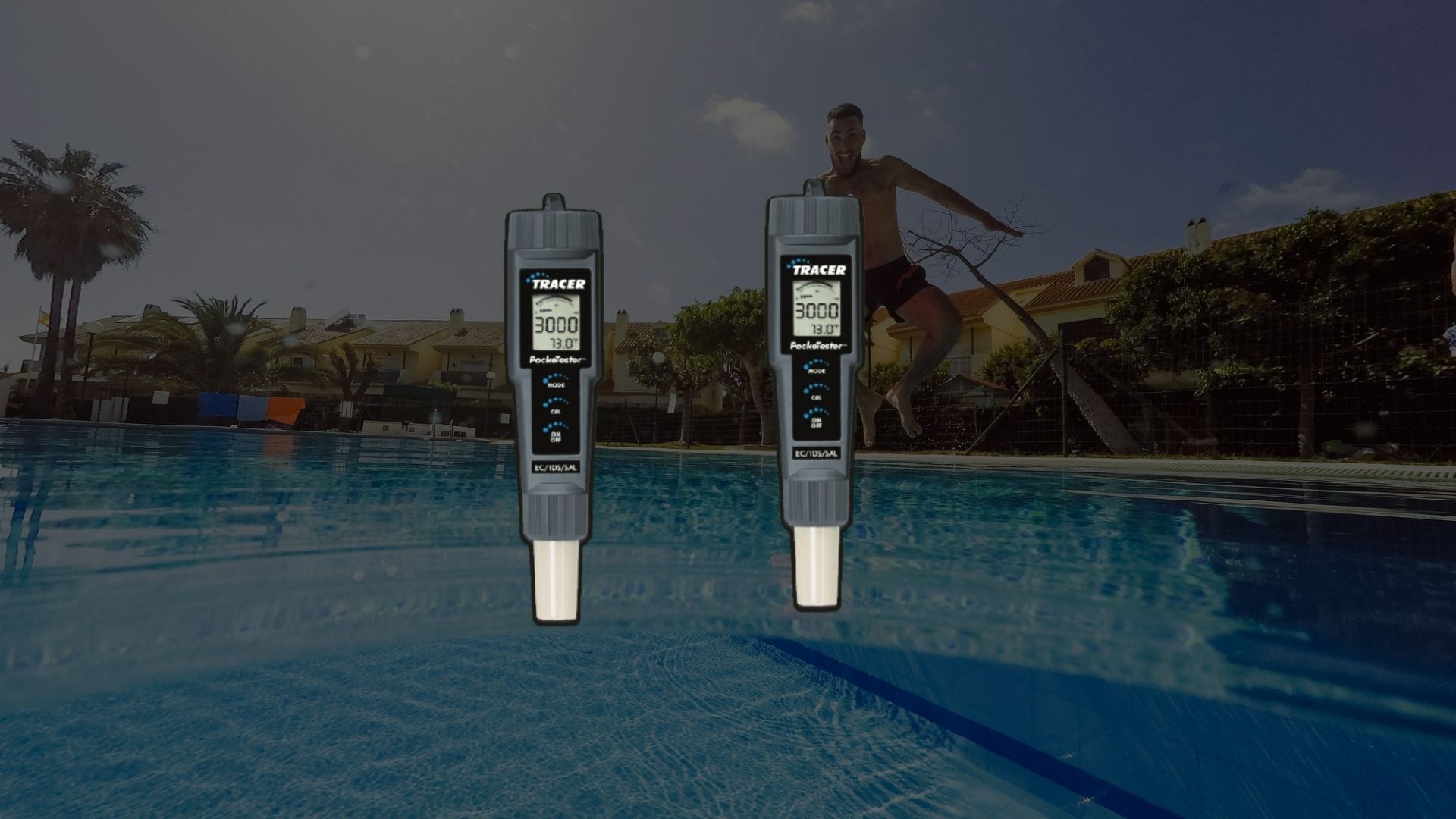
LaMotte Pacific’s TRACER PockeTester range brings these measurements into compact, portable instruments designed for professional pool applications.
Why Saltwater Pools Need More Than a Salt Check
A saltwater pool is not chlorine-free. Instead, a salt chlorination system uses dissolved sodium chloride to generate chlorine for sanitisation.
That means operators need visibility into more than just salt concentration.
Consider four interconnected measurements:
| Parameter |
Why It Matters |
| Salt / Salinity |
Helps monitor the salt concentration used by the chlorination system |
| pH |
Influences water balance and chlorine effectiveness |
| TDS |
Indicates the overall concentration of dissolved substances |
| Temperature |
Provides important context for water chemistry and conductivity measurements |
| Conductivity |
Indicates the water’s ability to conduct electrical current and can help assess ionic concentration |
Australian public-pool guidance demonstrates why these measurements matter. NSW Health, for example, specifies operating and monitoring requirements for public pools, including minimum disinfectant concentrations, pH and recordkeeping.
The lesson is straightforward: good pool management starts with reliable measurements.
Why Digital Testing Makes a Difference
Traditional test strips and chemical kits remain useful for many applications. However, digital meters provide a different advantage: numerical readings rather than colour interpretation.
For pool professionals conducting frequent tests, this can make results easier to interpret and compare over time.
A digital pool water testing equipment Australia solution can help operators:
- Obtain readings quickly
- Reduce dependence on colour matching
- Monitor several related parameters
- Record readings for trend analysis
- Investigate unusual water conditions
- Carry a single compact instrument between locations
The result is a more structured approach to routine pool monitoring.
Introducing the LaMotte TRACER PockeTester Range
LaMotte Pacific offers two particularly useful options for saltwater pool professionals.
1. Salt/pH/TDS/Temperature TRACER PockeTester™
The Salt/pH/TDS/Temperature TRACER PockeTester™ is designed specifically with pool professionals in mind.
According to LaMotte’s published specifications, the instrument measures:
- pH: 0.00–14.00, with 0.01 resolution and ±0.01 accuracy
- Salinity: 0–9,999 ppm, with ±2% accuracy
- TDS: 0–9,999 ppm, with ±2% accuracy
- Temperature: 0–65°C, with 0.1°C resolution
- Conductivity: measured through the same electrode
The device can also store up to 25 labelled readings, features automatic temperature compensation and allows the conductivity-to-TDS conversion ratio to be adjusted for different water types.
That combination makes it particularly useful when operators want to look at salt, pH and dissolved-solids measurements together rather than treating each reading independently.
2. Salt/TDS/Conductivity/Temperature TRACER PockeTester™
For applications where pH isn’t required, the Salt/TDS/Conductivity/Temperature TRACER PockeTester™ focuses on conductivity-based water measurements.
It measures:
- Conductivity: 0–19.99 mS across multiple ranges
- Salinity: 0–9,999 ppm
- TDS: 0–9,999 ppm
- Temperature: 0–65°C
The EC, TDS and salinity modules have ±2% accuracy, while conductivity measurement is specified at ±1% accuracy. The instrument also features automatic temperature compensation, self-calibration and memory for up to 25 readings.
For pool professionals primarily concerned with salinity and dissolved-solids monitoring, this provides a focused alternative.
Salt, TDS and Conductivity: What’s the Difference?
One of the biggest advantages of using professional pool water testing equipment Australia is being able to understand what each measurement actually tells you.
Salinity
Salinity measures the concentration of dissolved salts. For saltwater pools, this is particularly important because the chlorinator relies on dissolved sodium chloride.
The LaMotte Salt TRACER measures salinity from 0 to 9,999 ppm, covering the range relevant to many saltwater pool applications.
TDS
Total dissolved solids represent the concentration of dissolved substances in water.
TDS isn’t a direct measurement of water cleanliness, but tracking it over time can provide useful information about changes in the pool’s dissolved-solids load.
Conductivity
Electrical conductivity reflects how readily water conducts an electrical current. Because dissolved ions influence conductivity, it can provide additional insight into changes in water composition.
Importantly, conductivity and TDS are related but not identical measurements. LaMotte Pacific allows the TDS-to-conductivity conversion ratio to be adjusted, recognising that different water types can require different conversion assumptions.
Temperature Adds Important Context
Temperature is easy to overlook during routine pool testing.
However, it can influence chemical behaviour and electrical conductivity measurements. The TRACER instruments therefore incorporate temperature measurement and automatic temperature compensation for relevant measurements.
This means operators aren’t simply collecting isolated numbers—they can assess readings in the context of the water’s temperature.
A More Data-Driven Pool Testing Routine
Instead of testing only when something looks wrong, pool professionals can establish a repeatable monitoring process.
Step 1: Measure
Collect a representative water sample and measure the required parameters.
Step 2: Compare
Compare the readings against the pool’s operating targets and manufacturer recommendations.
Step 3: Record
Maintain a record of readings rather than relying solely on memory.
Step 4: Identify Trends
Look for gradual changes in salinity, TDS, conductivity, pH or temperature.
Step 5: Act
Investigate significant deviations before they develop into larger water-management problems.
This approach changes pool testing from a reactive task into a preventive water-management process.
Which TRACER PockeTester Should You Choose?
The choice depends on the information your operation needs.
Choose the Salt/pH/TDS/Temperature TRACER PockeTester™ if you need:
- Salt measurement
- pH measurement
- TDS
- Conductivity
- Temperature
- A broader pool-water monitoring tool
Choose the Salt/TDS/Conductivity/Temperature TRACER PockeTester™ if you primarily need:
- Salt measurement
- TDS
- Conductivity
- Temperature
- A dedicated salinity/EC monitoring solution
Both provide compact digital measurement and are designed for professional water-testing applications.
Why Portable Testing Matters for Australian Pool Professionals
Pool service technicians and facility operators may manage multiple pools across different locations. Carrying a large laboratory-style setup isn’t always practical.
A portable pool water analyzer Australia solution allows testing to happen where the water is—whether that’s a residential saltwater pool, commercial facility, hotel, aquatic centre or service location.
The rugged kit format, digital display and stored readings make the TRACER range particularly suited to field-based testing.
The Bottom Line
Saltwater pool management is ultimately a measurement problem. Without reliable data on salt concentration, pH, dissolved solids, conductivity and temperature, operators are forced to make decisions based on incomplete information.
LaMotte Pacific’s TRACER PockeTester range provides a practical way to bring multiple digital measurements into routine pool management.
For professionals looking for pool water testing equipment Australia, the Salt/pH/TDS/Temperature TRACER PockeTester™ offers broader water-quality monitoring, while the Salt/TDS/Conductivity/Temperature TRACER PockeTester™ provides a focused solution for salinity and conductivity-based measurements.
In both cases, the objective is the same: replace guesswork with measurable data and make pool water management more consistent, informed and proactive.
FAQs
What does a pool water analyzer measure?
Depending on the instrument, a pool water analyzer can measure parameters such as pH, salinity, TDS, conductivity and temperature.
Why is salt testing important for saltwater pools?
Salt chlorination systems depend on dissolved sodium chloride to generate chlorine, making salinity monitoring an important part of system management.
What is TDS in pool water?
TDS, or total dissolved solids, represents the concentration of dissolved substances in water. Monitoring trends can provide useful information about changes in the pool’s dissolved-solids load.
Can conductivity replace a salt test?
Conductivity is related to ionic concentration, but it isn’t identical to salinity. A dedicated salinity measurement provides a more direct indication of salt concentration.
What makes the LaMotte TRACER PockeTester suitable for field testing?
The instruments combine multiple digital measurements in compact handheld devices, with features including temperature compensation and stored readings, depending on the model.
SEO Meta Title:
Pool Water Analyzer Australia | Digital Salt & TDS Testing
SEO Meta Description:
Discover how digital pool water analyzers improve saltwater pool management. Explore LaMotte TRACER PockeTesters for salinity, pH, TDS, conductivity and temperature testing.
For Further Enquiry Contact: sales@lamottepacific.com