Water may look clear, but that doesn’t mean it’s safe. While most pool owners focus on chlorine and pH, microbial contamination—especially bacteria like E. coli—remains one of the most critical yet overlooked risks.
Across Australia, increasing awareness of waterborne pathogens is driving demand for reliable Bacteria Water Test Kit Australia solutions. Whether you’re managing a pool, checking drinking water, or maintaining a facility, combining traditional pool test kit Australia tools with bacteriological testing is essential for complete water safety.
The Invisible Risk: Bacteria in Water Systems
Bacteria can enter water systems through multiple pathways:
- Contaminated source water
- Runoff from the surrounding environments
- Human activity in pools
- Faulty or aging infrastructure
Unlike chemical imbalances, bacterial contamination is not visible and cannot be detected through smell or taste. This makes routine testing with a drinking water bacteria test kit critical.
Why E. coli Matters
Escherichia coli (E. coli) is widely used as an indicator organism for water contamination.
- Its presence suggests potential faecal contamination
- It signals the possible presence of harmful pathogens
- Even low levels can pose health risks
This is why an e coli testing kit is considered a key component of modern water testing protocols.
Limitations of Standard Pool Testing
Traditional swimming pool test kits Australia typically measure:
- Free and total chlorine
- pH levels
- Alkalinity
While these parameters help maintain chemical balance, they do not confirm microbiological safety.
Even with proper chlorine levels, bacteria can persist due to:
- Inadequate circulation
- Biofilm formation
- High bather load
- Chlorine-resistant organisms
This highlights the need to go beyond chemical testing and incorporate bacteria test strips or dedicated kits into routine checks.
The Health and Operational Impact of Bacterial Contamination
Failing to detect bacterial contamination can lead to:
- Health Risks: Gastrointestinal illnesses, skin infections, and more
- Regulatory Issues: Non-compliance with water safety standards
- Operational Disruptions: Pool closures and remediation costs
- Reputation Damage: Especially for commercial facilities
According to global water safety data, microbial contamination remains one of the leading causes of water-related health incidents.
LaMotte Water Testing Solutions for Bacteria Detection
LaMotte Pacific offers practical and reliable solutions for detecting bacterial contamination in water systems.
Comprehensive Bacterial Testing
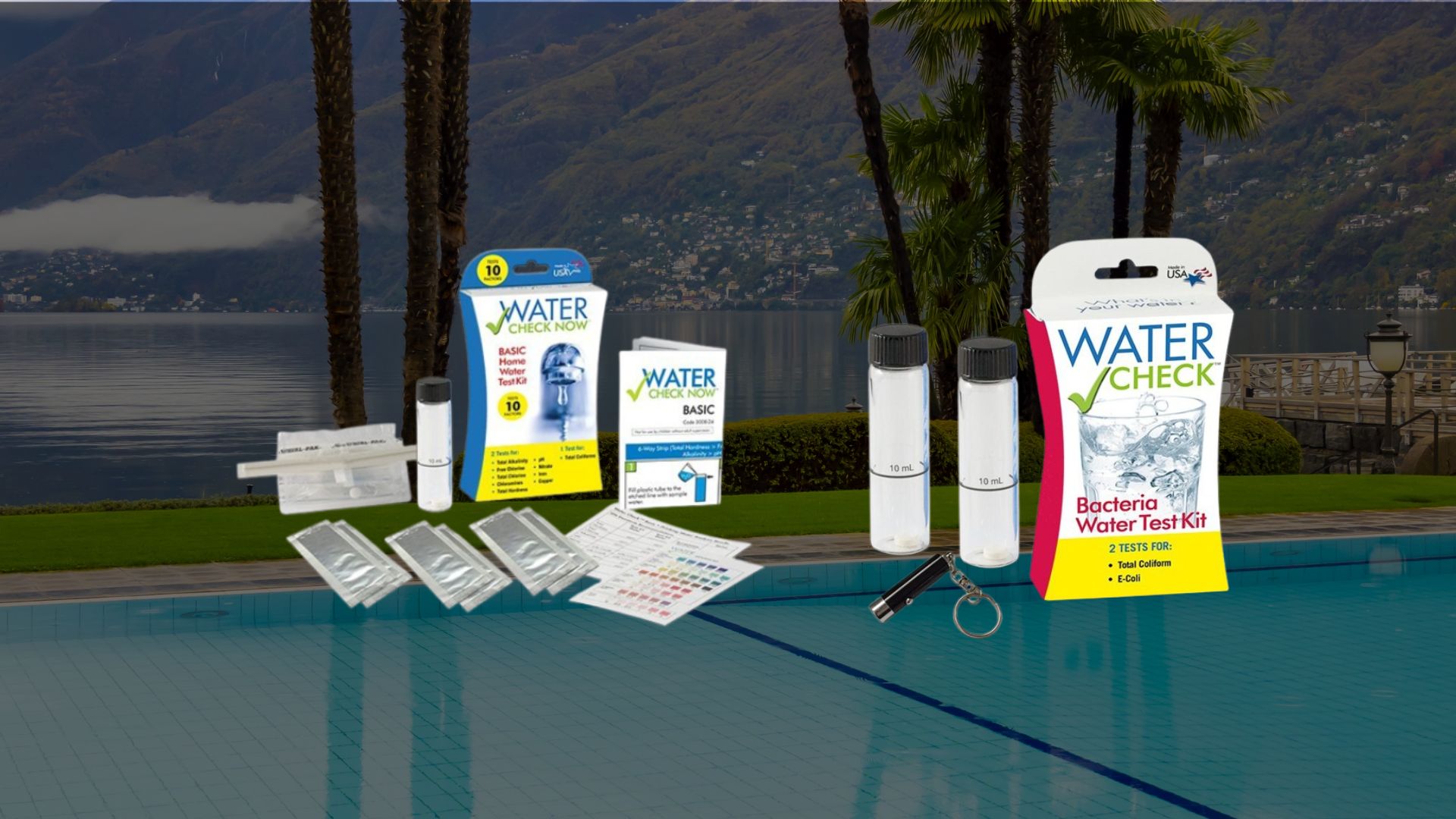
The Bacteria Drinking Water Kit is designed to detect harmful microorganisms in water.
Key features:
- Identifies bacterial presence, including E. coli indicators
- Easy-to-use format suitable for field testing
- Provides clear results for decision-making
This makes it an essential tool for anyone seeking a dependable Bacteria Water Test Kit Australia solution.
Essential Chemical + Safety Testing
The Basic Drinking Water Kit complements bacterial testing by measuring key chemical parameters.
Why this matters:
- Ensures overall water quality balance
- Helps identify conditions that may promote bacterial growth
- Provides a more complete water safety assessment
Combining chemical and microbiological testing creates a robust approach to water management.
Data-Driven Benefits of Bacteria Testing
Integrating bacterial testing into your routine delivers measurable advantages:
- Improved Safety: Early detection prevents health risks
- Regulatory Compliance: Supports adherence to water quality standards
- Reduced Downtime: Identifies issues before they escalate
- Cost Savings: Prevents expensive remediation and system flushing
Studies indicate that proactive water testing programs can reduce contamination-related incidents by over 40% in managed facilities.
When Should You Use a Bacteria Test Kit?
Routine use of a drinking water bacteria test kit is recommended in the following scenarios:
- After heavy rainfall or flooding
- When water clarity changes unexpectedly
- In high-use pools or public facilities
- When using untreated or stored water
- As part of regular safety checks for drinking water
For commercial operators, periodic bacterial testing is a critical part of risk management.
Choosing the Right Water Testing Approach
Selecting the right combination of tools depends on your needs:
1. Chemical Testing
Use standard pool test kit Australia solutions for daily monitoring of chlorine and pH.
2. Bacterial Testing
Incorporate bacteria test strips or kits for periodic safety checks.
3. Integrated Monitoring
Combine both approaches for a complete understanding of water quality.
4. Frequency
- Daily: Chemical parameters
- Weekly/Periodic: Bacterial testing
This layered strategy ensures both balance and safety.
Best Practices for Accurate Bacteria Testing
To ensure reliable results:
- Use clean sampling containers
- Avoid contamination during sample collection
- Follow kit instructions carefully
- Test samples promptly after collection
- Maintain consistent testing schedules
Accurate testing depends as much on proper technique as it does on the quality of the kit.
The Future of Water Testing in Australia
As water safety standards continue to evolve, the integration of microbiological testing into routine water management is becoming the norm.
Modern swimming pool test kits Australia are increasingly being complemented by specialised tools like e coli testing kit solutions, reflecting a shift toward comprehensive water quality monitoring.
The Bottom Line
Clear water doesn’t always mean safe water. While traditional pool test kit Australia solutions are essential for maintaining chemical balance, they don’t address the full spectrum of water safety risks.
Incorporating a reliable Bacteria Water Test Kit Australia into your testing routine ensures early detection of harmful microorganisms, better compliance, and improved overall safety.
LaMotte Pacific’s testing solutions provide a practical, user-friendly way to bridge the gap between chemical and microbiological testing—helping you maintain water that is not only balanced, but truly safe.
FAQs
- What is a bacteria water test kit used for?
It detects harmful microorganisms in water, including indicators like E. coli.
- Can pool test kits detect bacteria?
No, standard pool kits measure chemical parameters, not microbial contamination.
- How often should I test for bacteria in water?
Periodic testing is recommended, especially in high-risk or high-use environments.
- What are bacteria test strips?
They are simple tools used to detect the presence of bacteria in water samples.
- Why is E. coli testing important?
It indicates potential contamination and the presence of harmful pathogens.
For Further Enquiry Contact: sales@lamottepacific.com