Saltwater pools have become increasingly popular across Australia due to their convenience, swimmer comfort, and reduced reliance on manually added chlorine. However, a common misconception is that saltwater pools require less monitoring than traditional chlorinated pools.
In reality, maintaining optimal salt concentration, chlorine levels, and pH balance is critical for ensuring water safety, protecting equipment, and maximising the performance of salt chlorination systems. This is why reliable pool water testing equipment and solutions in Australia are essential for accurate monitoring, efficient chemical management, and long-term pool performance.
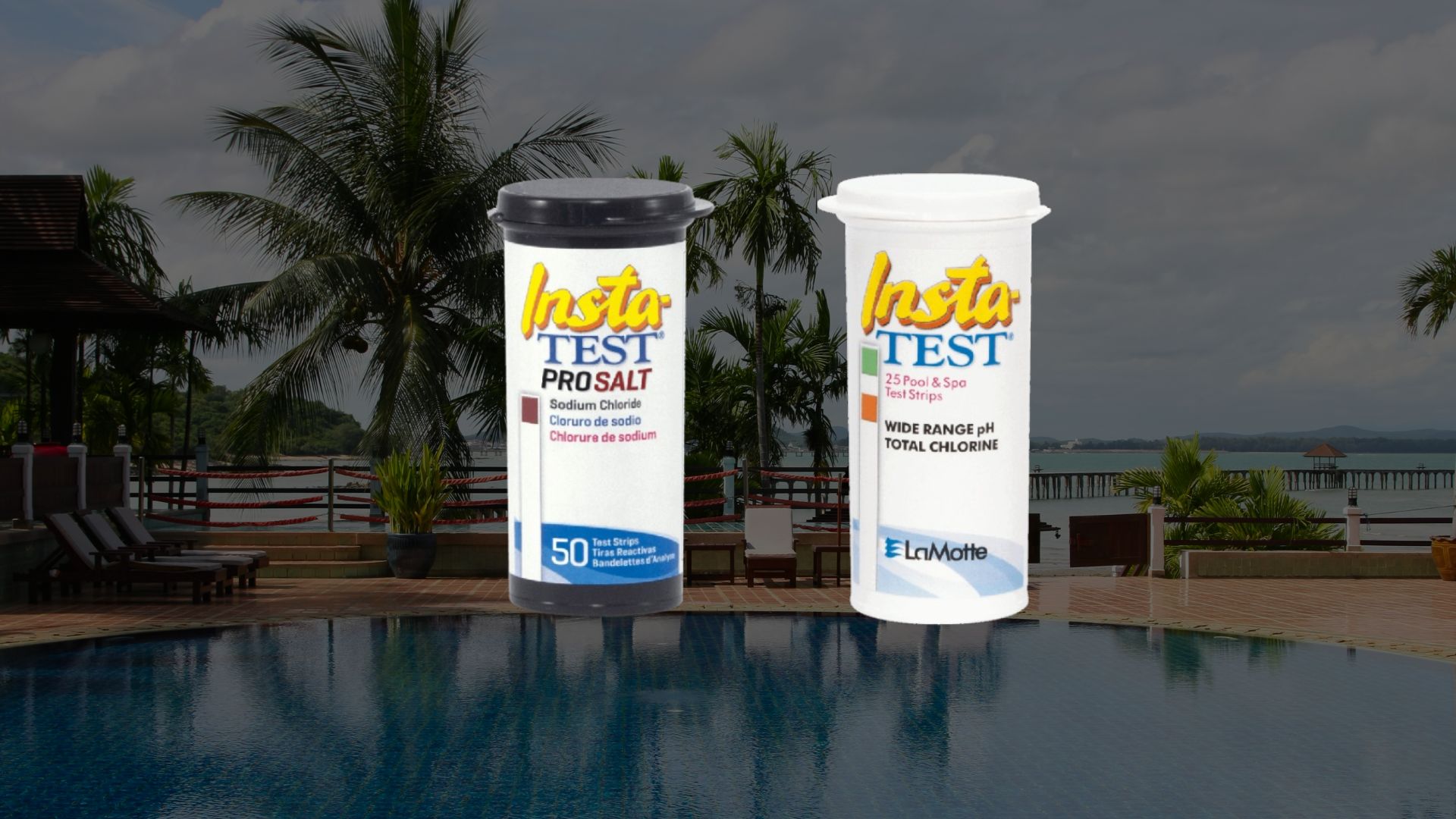
Whether you manage a residential pool, resort, aquatic centre, or commercial facility, routine testing remains the foundation of effective pool maintenance. Reliable test strips from LaMotte Pacific provide a quick and practical way to monitor key water quality parameters before they become costly problems.
The Growing Popularity of Saltwater Pools
Australia’s climate makes saltwater pools an attractive option for homeowners and commercial operators alike.
Unlike traditional pools that require direct chlorine dosing, saltwater pools use a chlorinator to convert dissolved salt into chlorine through electrolysis. This process continuously generates sanitiser, helping maintain water quality with less manual intervention.
However, the system only performs efficiently when salt levels remain within the manufacturer’s recommended operating range.
When salt concentrations drift too high or too low, pool operators may experience:
- Reduced chlorine production
- Increased energy consumption
- Premature chlorinator wear
- Water balance issues
- Poor sanitisation performance
This makes routine salt testing a crucial part of pool maintenance.
Why Sodium Chloride Levels Matter
Most saltwater chlorination systems operate within a relatively narrow salt concentration range, typically between 2,500 and 4,500 ppm, depending on the system design.
Low Salt Levels
When salt concentrations fall below recommended levels:
- Chlorine production decreases
- Water and sanitation become less effective
- Algae growth risks increase
- Chlorinator efficiency declines
High Salt Levels
Excessive salt concentrations can:
- Trigger system warning alarms
- Accelerate corrosion of metal components
- Increase wear on pool equipment
- Affect overall water balance
Regular monitoring helps ensure the chlorinator operates at peak efficiency throughout the swimming season.
Fast, easy-to-use sodium chloride test strips provide immediate insight into whether adjustments are required.
Chlorine Remains the Front Line of Pool Protection
Regardless of whether a pool uses saltwater chlorination or traditional chemical dosing, chlorine remains the primary disinfectant responsible for controlling bacteria, viruses, and algae.
Proper chlorine levels help:
- Eliminate harmful microorganisms
- Prevent algae formation
- Maintain clear water
- Support swimmer safety
However, chlorine levels can fluctuate rapidly due to several factors:
- High swimmer loads
- Sunlight exposure
- Rainfall events
- Organic contamination
- Temperature increases
Without routine monitoring, chlorine concentrations may fall below effective sanitising levels.
This is why regular chlorine testing remains one of the most important components of any water quality management program. Using a reliable pool chlorine test kit Australia solution helps ensure accurate chlorine monitoring, supports water safety, and maintains optimal pool performance year-round.
The Critical Relationship Between Chlorine and pH
Many pool owners focus exclusively on chlorine while overlooking pH.
This can be a costly mistake.
The effectiveness of chlorine is directly influenced by pH levels.
When pH rises above recommended levels:
- Chlorine becomes significantly less effective
- Sanitisation performance declines
- Higher chemical consumption may be required
Conversely, excessively low pH can:
- Causes swimmer discomfort
- Increase corrosion risks
- Damage pool surfaces and equipment
For most pools, the recommended pH range is generally between 7.2 and 7.8.
Maintaining this balance helps maximise chlorine efficiency while protecting infrastructure and improving swimmer comfort.
Why Combined Chlorine and pH Testing Makes Sense
Testing chlorine and pH together provides a more complete picture of water quality than measuring either parameter alone.
For example:
A pool may show acceptable chlorine readings, but if pH is elevated, actual sanitising effectiveness may be significantly reduced.
Simultaneous monitoring allows pool operators to:
- Identify treatment issues faster
- Reduce unnecessary chemical use
- Improve water quality consistency
- Support regulatory compliance
- Simplify routine maintenance procedures
This is where wide-range chlorine and pH test strips provide substantial value for both residential and commercial users.
The Advantages of Test Strip Technology
Modern test strips have become an essential tool in pool maintenance because they combine speed, convenience, and affordability.
Rapid Results
Testing can typically be completed within seconds or minutes.
Easy Operation
No specialised training or laboratory equipment is required.
Portable Monitoring
Perfect for pool technicians, facility managers, and homeowners.
Frequent Testing
Because testing is simple and inexpensive, operators are more likely to test regularly and identify issues earlier.
Frequent monitoring often leads to better water quality outcomes than occasional detailed testing.
Data-Driven Pool Maintenance Saves Money
Many pool operators focus primarily on chemical treatment while underestimating the importance of testing.
The reality is that testing often generates the greatest long-term savings.
Accurate monitoring helps reduce:
Chemical Waste
Only the chemicals actually required are added.
Equipment Repairs
Balanced water protects chlorinators, pumps, filters, and heating systems.
Downtime
Problems are identified before they become major operational issues.
Water Replacement Costs
Maintaining balanced chemistry reduces the likelihood of costly corrective treatments.
For commercial facilities, these savings can accumulate significantly over the life of the pool.
Building an Effective Testing Routine
A practical testing schedule should include:
Daily Checks
Weekly Checks
- Salt concentration
- Water balance review
Additional Testing
- After heavy rainfall
- During heatwaves
- Following periods of heavy pool use
- When water clarity changes
Consistent testing enables operators to respond proactively rather than reactively.
The Future of Pool Water Monitoring
As pool owners continue to seek more efficient and sustainable maintenance practices, rapid testing technologies are becoming increasingly important.
Solutions such as Insta-TEST Sodium Chloride Salt Test Strips and Insta-TEST Wide Range Total Chlorine & pH Test Strips provide practical tools for maintaining balanced, safe, and efficient pool systems.
By routinely monitoring salt concentration, chlorine levels, and pH, pool operators can improve water quality, extend equipment lifespan, optimise chemical consumption, and create a better swimming experience for users. LaMotte Pacific supports these goals with reliable water testing solutions designed for accurate, efficient, and consistent pool management.
In today’s data-driven approach to pool management, testing is no longer optional—it is essential.
Frequently Asked Questions
Why is salt testing important in a saltwater pool?
Salt concentration directly affects chlorinator performance. Incorrect salt levels can reduce chlorine production and impact water quality.
How often should salt levels be tested?
Salt levels should typically be checked weekly and after significant rainfall, water replacement, or unusual pool usage.
What happens if chlorine levels are too low?
Low chlorine levels increase the risk of algae growth, bacterial contamination, and poor water clarity.
Why should pH be tested alongside chlorine?
High or low pH levels can significantly affect chlorine effectiveness and overall water balance.
What is the ideal pH range for swimming pools?
Most pools operate best within a pH range of 7.2 to 7.8.
Are test strips accurate for routine pool monitoring?
Quality test strips provide fast and reliable results for regular maintenance and are widely used by pool professionals and homeowners.
Can incorrect salt levels damage a chlorinator?
Yes. Both low and high salt concentrations can reduce efficiency and potentially shorten the lifespan of chlorination equipment.
For Further Enquiry Contact: sales@lamottepacific.com