Clear pool water does not necessarily mean balanced pool water. Chlorine can be depleted, pH can drift and alkalinity can change without obvious visual signs. For pool owners, technicians and commercial facility operators, regular water testing for swimming pool applications is therefore essential for maintaining water quality and protecting pool infrastructure.
But how do you choose the right testing equipment? And how to test pool water accurately without turning routine maintenance into a complicated process?
The answer starts with understanding which parameters need to be measured and selecting a testing system designed for consistent, repeatable results.
Why Pool Water Testing Matters
Pool chemistry is constantly affected by sunlight, rainfall, temperature, swimmer load, organic contaminants and chemical treatment.
Two of the most important parameters are free chlorine and pH. Chlorine provides sanitisation, while pH influences both swimmer comfort and the effectiveness of chlorine.
The CDC recommends maintaining pool pH between 7.0 and 7.8 and regularly testing both disinfectant and pH levels.
For commercial and public pools, testing requirements can be more demanding. Australian state and territory regulations may specify testing frequencies, acceptable chemical ranges and record-keeping requirements, making dependable pool water testing equipment Australia particularly important for professional operators.
What Parameters Should You Test?
A good testing program should be based on the pool type and its operating conditions.
Common parameters include:
- Free chlorine – indicates the chlorine available for sanitisation.
- Total chlorine – includes free and combined chlorine.
- pH – affects chlorine performance, swimmer comfort and corrosion or scaling.
- Total alkalinity – helps stabilise pH.
- Calcium hardness – helps assess scaling and corrosive conditions.
- Cyanuric acid – important for stabilised outdoor pools.
- Salt – particularly relevant for salt-chlorinated pools.
Not every pool requires every parameter at every test. However, having appropriate pool water testing equipment Australia gives operators the flexibility to investigate changes when water chemistry moves outside the desired range.
How to Test Pool Water Correctly
Knowing how to test pool water is just as important as owning the right equipment.
A basic testing workflow includes:
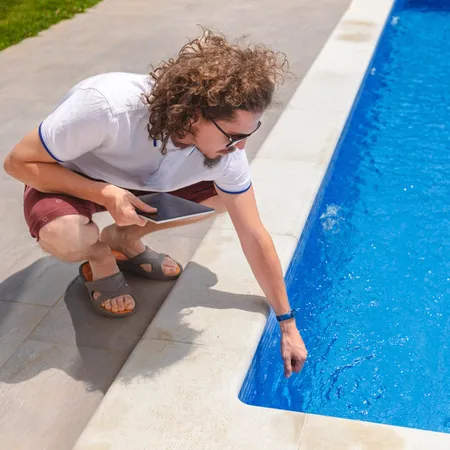
1. Collect a representative sample
Take the sample from the pool at an appropriate depth and away from chemical dosing points, skimmers or return jets.
2. Select the required test
Determine which parameters need to be measured based on the pool’s maintenance program and recent water conditions.
3. Follow the test procedure
Tablet-based systems require the correct reagent, sample volume and testing procedure. Consistency is essential because variations in sample handling can affect results.
4. Compare and record results
Results should be compared with the applicable operating requirements for the facility and recorded where required.
5. Make controlled adjustments
If a parameter is outside the desired range, corrective treatment should be based on the measured result rather than visual appearance or guesswork.
This systematic approach turns water testing for swimming pool maintenance into a preventative process rather than simply troubleshooting problems after they appear.
Tablet-Based Pool Water Testing Equipment
For professional pool operators, tablet-based testing systems offer a practical approach to routine chemical analysis.
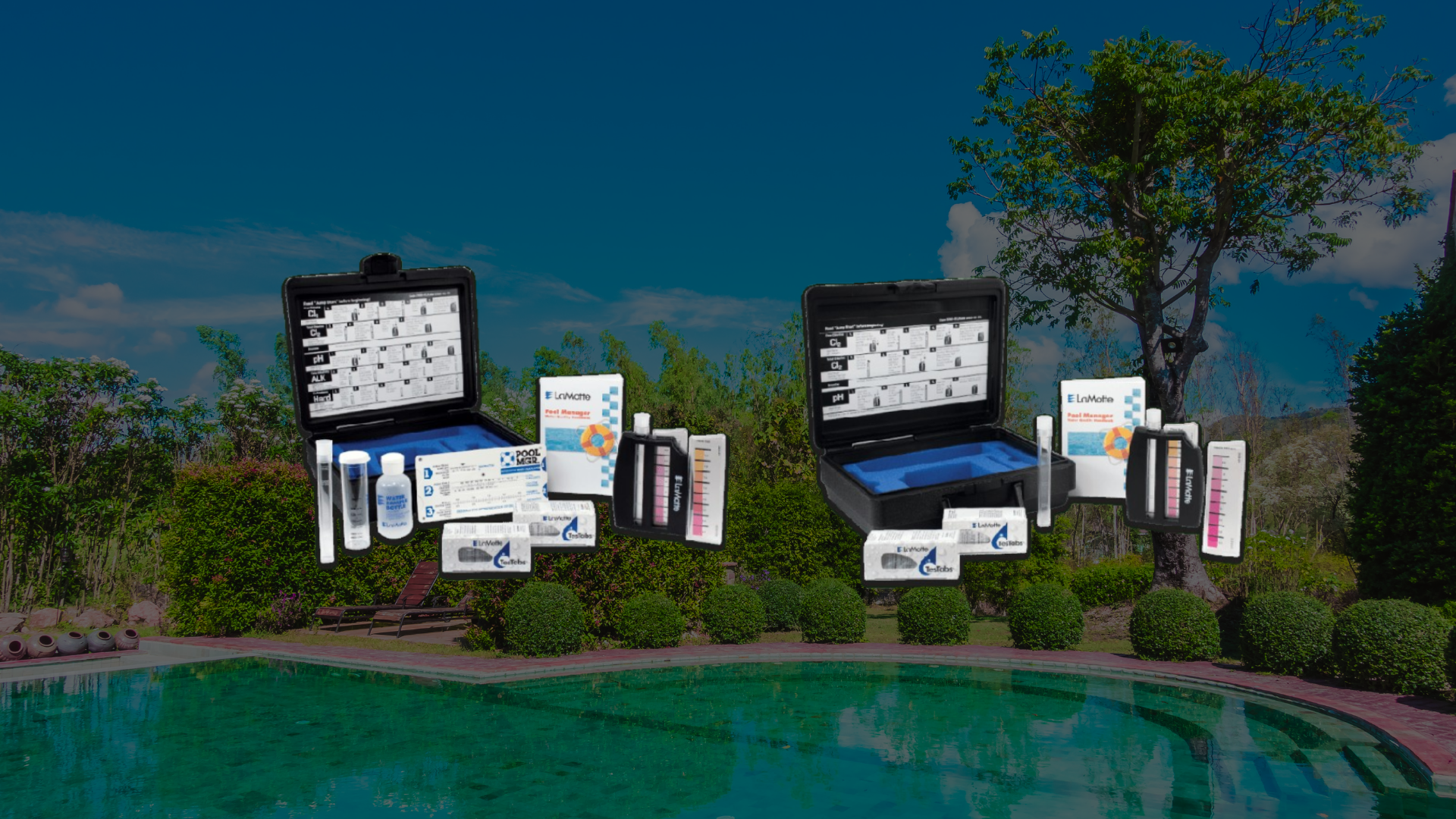
LaMotte Pacific’s Pool MGR Tablet Series Kits are designed for pool water analysis using tablet reagents.
Pool MGR Tablet Series Kit – Model PM-3-NJ
The PM-3-NJ is a compact pool testing kit designed for routine measurement of key pool-water parameters.
Its tablet-based format makes it suitable for operators who need a portable testing solution for regular pool maintenance.
Pool MGR Tablet Series Kit – Model PM-41
The PM-41 provides another option within the Pool MGR Tablet Series for professional pool water analysis.
Choosing between testing configurations should depend on the parameters required for your pool, facility and maintenance program rather than simply selecting the kit with the largest number of tests.
What Makes a Good Pool Water Analyzer in Australia?
When comparing a pool water analyzer Australia solution, consider five practical factors:
- Parameters: Does it measure the chemistry you actually need?
- Repeatability: Can different operators follow the same procedure and obtain consistent results?
- Portability: Can technicians easily carry the equipment between pools?
- Workflow: Does the testing process fit into your maintenance schedule?
- Record keeping: Can results be documented consistently for trend analysis and compliance purposes?
These considerations are often more useful than simply searching for the best pool test kit Australia has to offer.
Choosing the Best Pool Test Kit Australia for Your Application
There is no single best pool test kit Australia for every application.
A homeowner performing occasional checks may prioritise simplicity and convenience. A mobile pool technician may value portability and a broader range of tests. A commercial aquatic facility may place greater emphasis on repeatability, testing frequency and documentation.
For these professional applications, tablet-based Pool MGR kits provide a straightforward option for routine pool water analysis.
The key is to match the testing equipment to the pool’s chemistry requirements, testing frequency and operating environment.
Better Testing Leads to Better Pool Management
Effective pool maintenance starts with measurement.
Regular testing helps operators identify chemical changes before they become visible problems, supports efficient chemical dosing, and helps protect pool surfaces and equipment.
Whether you’re a pool technician, facility manager, or responsible for routine residential maintenance, investing in suitable pool water testing equipment in Australia from LaMotte Pacific can make testing more systematic and reliable.
With the right equipment and a consistent testing procedure, water testing for swimming pool maintenance becomes less about reacting to problems—and more about preventing them.
FAQs
- How often should I test my pool water?
Testing frequency depends on pool type, usage, weather and local requirements. Heavily used commercial pools generally require more frequent monitoring than residential pools.
- How do I test pool water accurately?
Collect a representative sample, use the correct reagent and sample volume, follow the manufacturer’s procedure and record the results consistently. Always follow applicable local pool regulations.
- What should a pool water analyzer measure?
Depending on the application, useful parameters include free chlorine, total chlorine, pH, alkalinity, calcium hardness, cyanuric acid and salt.
- What is the best pool test kit in Australia?
The best pool test kit in Australia depends on the application. Consider the parameters required, testing frequency, portability, ease of use and the level of documentation needed.
- Why use tablet-based pool testing equipment?
Tablet reagents provide a structured testing method and are convenient for routine field testing. They can be particularly useful for pool technicians and facility operators who need portable testing equipment.
For Further Enquiry Contact: sales@lamottepacific.com