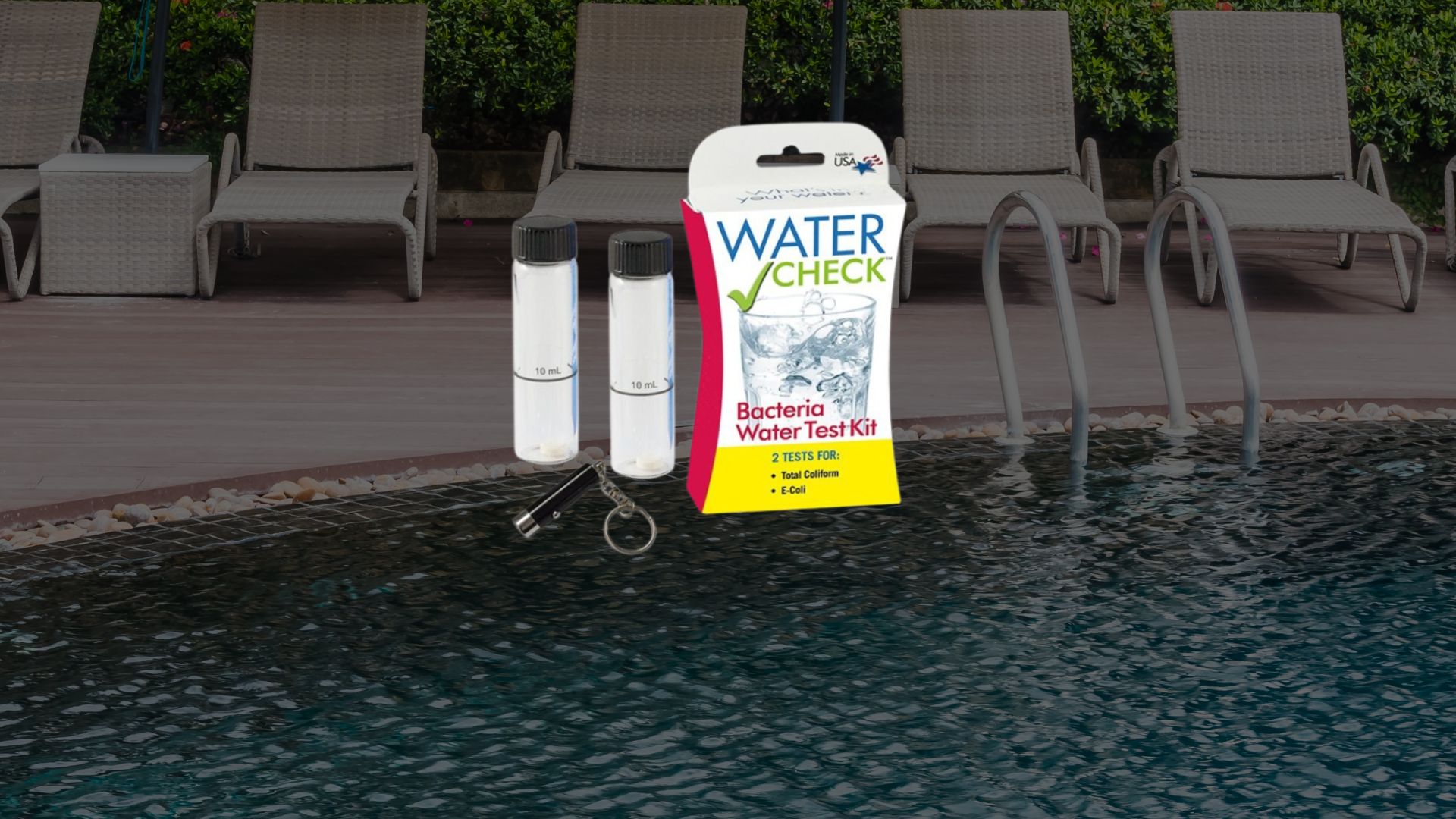
When most people think about water quality, they focus on clarity, taste, or chemical balance. However, some of the most significant water safety risks are completely invisible. Harmful microorganisms such as bacteria can exist in water supplies without affecting appearance, smell, or taste, making routine testing essential for protecting public health.
Across households, rural properties, schools, healthcare facilities, and commercial operations, demand for reliable Bacteria Water Test Kit Australia solutions is increasing as awareness grows around waterborne contamination risks.
Whether water comes from municipal systems, rainwater tanks, bore water, or private wells, bacterial monitoring remains one of the most important components of a comprehensive water quality program.
Why Bacteria Testing Matters
Waterborne bacteria are among the leading causes of drinking water-related illnesses worldwide. While most bacteria are harmless, certain strains can pose serious health risks when present in drinking water.
Common sources of bacterial contamination include:
- Failing septic systems
- Agricultural runoff
- Flooding and stormwater intrusion
- Wildlife activity
- Damaged water infrastructure
- Poorly maintained storage tanks
The challenge is that contamination often cannot be detected through visual inspection alone.
Crystal-clear water can still contain potentially harmful bacteria.
This is why professional testing is considered essential rather than optional.
Understanding Indicator Bacteria
Water testing programs often focus on indicator organisms that signal potential contamination.
One of the most important indicators is Escherichia coli (E. coli).
The presence of E. coli can suggest:
- Faecal contamination
- Pathogen intrusion
- Compromised water treatment processes
- Increased risk of disease-causing microorganisms
Australian drinking water guidelines place strong emphasis on the absence of E. coli in potable water supplies because of its importance as a public health indicator.
The Hidden Risks of Untested Water
Many Australians rely on alternative water sources such as:
- Rainwater harvesting systems
- Rural bores
- Private wells
- Farm water supplies
- Remote community systems
While these sources can provide excellent water quality, they are also more vulnerable to bacterial contamination.
Potential consequences include:
Gastrointestinal Illness
Contaminated drinking water can contribute to:
- Diarrhoea
- Vomiting
- Abdominal pain
- Dehydration
Vulnerable Populations
Children, older adults, and individuals with compromised immune systems face higher risks from contaminated water.
Operational and Compliance Issues
Schools, childcare facilities, healthcare settings, and commercial properties may face compliance concerns if water quality is not adequately monitored.
Regular testing helps identify problems before they become serious health or operational issues.
Why Routine Testing Is More Important Than Ever
Several environmental factors are increasing the need for bacterial monitoring across Australia.
Extreme Weather Events
Heavy rainfall and flooding can introduce contaminants into water supplies.
Following storms, runoff often carries:
- Animal waste
- Soil contaminants
- Organic material
- Microorganisms
Aging Infrastructure
Older water storage systems and plumbing networks may become more vulnerable to contamination over time.
Increased Water Reuse
Growing interest in sustainable water management is increasing reliance on rainwater harvesting and alternative water sources.
These systems require regular monitoring to ensure safety.
The Value of a Dedicated Bacteria Water Test Kit
Unlike general water chemistry tests, bacterial testing specifically evaluates microbiological safety.
A dedicated Bacteria Water Test Kit Australia solution provides critical information that standard pH, chlorine, or hardness tests cannot reveal.
Key benefits include:
Early Detection
Identifying contamination before it causes illness or operational disruption.
Improved Risk Management
Providing confidence that drinking water remains safe for consumption.
Better Decision-Making
Supporting timely corrective actions such as disinfection or system maintenance.
Regulatory Support
Helping facilities maintain water quality monitoring programs and documentation.
LaMotte Bacteria Drinking Water Kit: Practical Microbiological Monitoring
The Bacteria Drinking Water Kit from LaMotte Pacific is designed to simplify bacterial water testing for a wide range of applications.
The kit supports routine monitoring of drinking water quality and helps users identify potential bacterial contamination concerns quickly and efficiently.
Suitable Applications
The kit is particularly valuable for:
- Drinking water systems
- Rural properties
- Rainwater tanks
- Private water supplies
- Schools and educational facilities
- Commercial buildings
- Environmental monitoring programs
By providing practical field-testing capability, the kit helps users make informed decisions about water safety.
Why Testing Frequency Matters
A common misconception is that water only needs to be tested when a problem becomes apparent.
In reality, bacterial contamination often develops gradually and without visible warning signs.
Testing should be considered:
After Heavy Rainfall
Stormwater runoff can introduce contaminants into water storage systems.
Following Maintenance Work
Repairs or plumbing modifications may temporarily increase contamination risks.
When Water Sources Change
New water supplies should always be verified before use.
As Part of Routine Monitoring
Scheduled testing provides ongoing confidence in water quality.
Consistent monitoring is often more valuable than isolated testing events.
The Economic Benefits of Preventive Testing
Beyond health protection, bacterial testing offers significant operational benefits.
Reduced Remediation Costs
Early detection can prevent larger contamination events requiring extensive corrective action.
Improved Asset Protection
Maintaining water quality helps protect storage tanks, treatment systems, and distribution infrastructure.
Reduced Operational Disruption
Facilities can avoid closures, investigations, or emergency water treatment measures.
Enhanced Public Confidence
Regular testing demonstrates commitment to water safety and quality assurance.
For many organisations, preventive testing represents a cost-effective investment in risk management.
Best Practices for Accurate Bacterial Testing
To maximise testing reliability:
- Use clean sample containers
- Collect representative water samples
- Follow testing instructions carefully
- Avoid sample contamination during collection
- Maintain consistent testing schedules
- Record results for future comparison
Accurate sampling procedures are just as important as the testing method itself.
The Future of Drinking Water Monitoring
As awareness of water safety continues to grow, microbiological testing is becoming an increasingly important part of water quality management.
Organisations are moving beyond basic chemical testing toward more comprehensive monitoring programs that include bacterial analysis.
This shift reflects a broader understanding that safe water requires both chemical and microbiological control.
The Bottom Line
Clear water is not always safe water. Some of the most significant drinking water risks are invisible and can only be identified through proper testing.
A reliable Bacteria Water Test Kit Australia provides the information needed to detect contamination early, protect public health, and maintain confidence in water quality.
LaMotte Pacific’s Bacteria Drinking Water Kit offers a practical and dependable solution for organisations and individuals seeking a proactive approach to drinking water safety.
By incorporating routine bacterial testing into water management programs, users can move beyond assumptions and make decisions based on accurate, actionable data.
FAQs
Q: Can you see if your water is contaminated?
A: No. Many dangerous bacteria are invisible, odorless, and tasteless. Crystal-clear water can still be unsafe; routine testing is the only way to be sure.
Q: Why do you need a specific bacteria test?
A: Standard tests only measure water chemistry (like pH). A Bacteria Water Test Kit detects microbiological risks like E. coli that can cause serious illness.
Q: How often should you test your water?
A: At least annually. You should also test immediately after heavy storms, flooding, or if you notice any changes in your water source.
Q: Is rainwater tank water safe without testing?
A: Not necessarily. Rainwater can be contaminated by roof debris or wildlife. Always verify its safety with a Bacteria Water Test Kit before drinking.
Q: What does an E. coli result mean?
A: It’s a “red flag” indicating faecal contamination. It means your water is unsafe for consumption and requires immediate disinfection and a follow-up test.
Q: Are these kits suitable for my business?
A: Yes. LaMotte kits provide reliable, professional-grade results perfect for schools, childcare, and commercial properties that need to ensure compliance and safety.
Q: What do you do if a test is positive?
A: Stop drinking the water immediately. Investigate your storage system for contamination, treat the water, and re-test to confirm it is safe before use.
For Further Enquiry Contact: sales@lamottepacific.com