Maintaining safe, clear, and balanced swimming pool water requires more than occasional chlorine checks. As Australian pool owners and facility managers face rising maintenance costs, stricter water quality expectations, and increasing awareness of swimmer health, accurate water analysis has become more important than ever. LaMotte Pacific provides advanced water testing solutions that help pool operators make informed decisions, optimise chemical usage, and maintain consistently high water quality.
While traditional pool test strips remain useful for routine monitoring, many water quality professionals are adopting advanced testing approaches that provide deeper insights into water chemistry. The same technologies used in drinking water, environmental monitoring, and laboratory analysis are helping redefine how pool operators approach water management.
For anyone searching for a reliable pool test kit Australia, swimming pool test kits Australia, or advanced pool water testing equipment Australia, understanding the value of professional-grade testing can lead to better water quality and lower long-term operating costs.
Why Pool Water Quality Is More Complex Than It Appears
A pool may look crystal clear while still experiencing significant water chemistry problems.
Water quality can be affected by:
- Heavy swimmer loads
- Rainfall and stormwater runoff
- UV exposure
- Organic contamination
- Chemical overdosing
- Source water quality variations
Even small changes in water chemistry can affect:
- Sanitiser effectiveness
- Water clarity
- Swimmer comfort
- Equipment lifespan
- Maintenance costs
This is why regular testing remains one of the most important aspects of pool ownership.
The Cost of Inaccurate Testing
Many pool problems originate from insufficient or inaccurate testing.
Common issues include:
Excessive Chemical Consumption
Without accurate measurements, pool operators often add chemicals based on assumptions rather than actual water conditions.
Equipment Damage
Poorly balanced water can accelerate corrosion, scaling, and wear on pumps, filters, heaters, and pipework.
Algae Growth
Inadequate sanitiser levels can allow algae and microorganisms to develop rapidly.
Poor Swimmer Experience
Improper water balance can cause eye irritation, skin discomfort, unpleasant odours, and cloudy water.
According to pool industry studies, preventive water quality monitoring is considerably less expensive than correcting major water chemistry failures after they occur.
Why Comprehensive Water Testing Delivers Better Results
Many residential pool owners focus primarily on chlorine and pH.
While these are critical parameters, they represent only part of the overall water quality picture.
Comprehensive testing may include:
- Free chlorine
- Total chlorine
- pH
- Alkalinity
- Calcium hardness
- Turbidity
- Conductivity
- Total dissolved solids (TDS)
- Source water quality indicators
Professional water analysis systems are designed to provide a broader understanding of water conditions, allowing operators to make more informed maintenance decisions.
What Pool Operators Can Learn from Drinking Water Testing
Municipal water authorities and environmental laboratories rely on structured testing programs to ensure consistent water quality.
The same principles can benefit swimming pool management.
Consistency
Routine testing creates reliable historical data that helps identify trends before problems emerge.
Accuracy
Higher-quality analytical methods reduce uncertainty and improve decision-making.
Faster Response
Early detection allows corrective actions before water quality deteriorates.
Data-Driven Maintenance
Testing results guide chemical adjustments rather than relying on guesswork.
These practices are becoming increasingly important for commercial pools, aquatic centres, resorts, and large residential facilities.
Advanced Water Analysis Tools Improve Efficiency
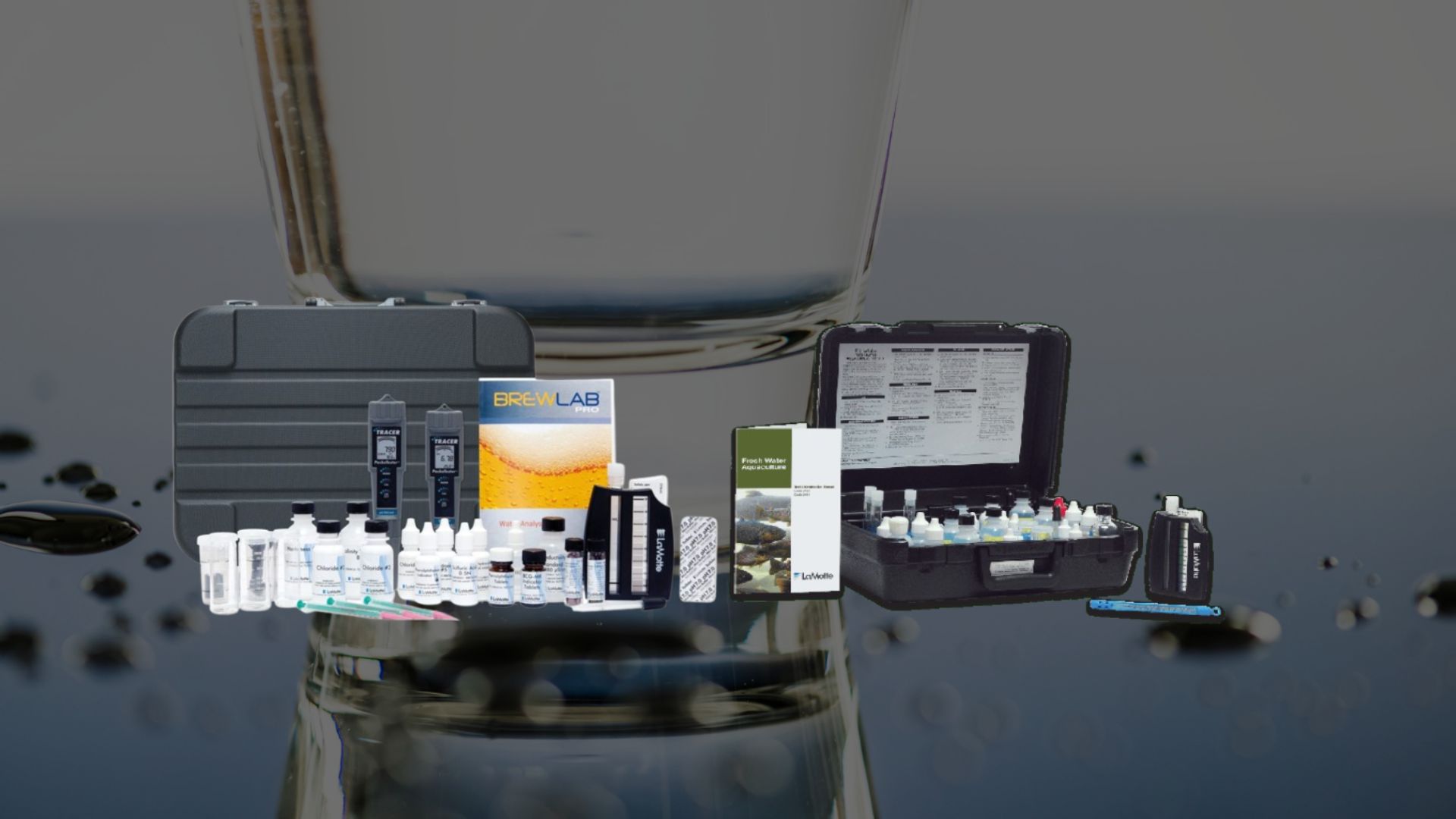
Solutions such as BrewLab Pro and Fresh Water Outfit demonstrate how modern water testing technologies are simplifying analytical workflows.
Although commonly associated with water quality monitoring and laboratory applications, the benefits they offer are equally relevant to pool management.
Faster Testing Workflows
Modern systems reduce the time required to obtain actionable results.
Improved Repeatability
Standardised testing procedures help minimise user-to-user variability.
Better Documentation
Digital reporting and organised data collection improve recordkeeping.
Greater Confidence
Reliable measurements support more accurate treatment decisions.
As water quality management becomes increasingly data-driven, these capabilities are becoming valuable across multiple industries, including pool maintenance.
The Growing Demand for Professional Pool Water Testing Equipment in Australia
Australia’s pool industry continues to evolve as homeowners and facility operators seek higher standards of water quality.
This trend is driving demand for more advanced pool water testing equipment Australia solutions that go beyond basic visual assessments.
Key priorities include:
Water Safety
Ensuring effective disinfection and reducing health risks.
Sustainability
Optimising chemical use and reducing unnecessary water replacement.
Operational Efficiency
Minimising maintenance downtime and equipment failures.
Regulatory Compliance
Meeting local water quality requirements and operational standards.
These objectives all depend on reliable testing data.
Choosing the Right Pool Water Test Kit
When evaluating a pool water test kit Australia, consider the following factors:
Accuracy
Reliable results support better treatment decisions.
Ease of Use
Simple testing procedures encourage more frequent monitoring.
Parameters Measured
More comprehensive testing provides greater insight into overall water quality.
Data Management
Digital reporting and recordkeeping can improve operational efficiency.
Scalability
Testing solutions should support both current and future monitoring requirements.
For larger facilities, investing in professional-grade analytical equipment can provide significant long-term value.
The Future of Swimming Pool Water Testing
The future of pool maintenance is moving toward smarter, data-driven water management.
Modern testing technologies allow operators to monitor water quality more accurately, identify issues earlier, and optimise treatment programs with greater confidence.
Whether using a basic pool test kit Australia for routine checks or advanced analytical systems for comprehensive water monitoring, regular testing remains the foundation of safe and efficient pool operation.
As expectations for water quality continue to rise, Australian pool owners and operators who embrace accurate testing will be better positioned to maintain cleaner water, reduce operating costs, and deliver a safer swimming experience. LaMotte Pacific supports these goals with reliable water testing solutions designed to deliver accurate, actionable insights for effective pool management.
Frequently Asked Questions
Why is regular pool water testing important?
Regular testing helps maintain safe water quality, optimise chemical use, prevent algae growth, and protect pool equipment from damage.
What should a swimming pool test kit measure?
A comprehensive swimming pool test kit should measure chlorine, pH, alkalinity, hardness, and other key water quality indicators.
How often should pool water be tested?
Residential pools should generally be tested several times per week, while commercial pools may require daily or multiple daily tests.
What are the benefits of professional water testing equipment?
Professional systems provide greater accuracy, improved repeatability, enhanced reporting, and more detailed water quality analysis.
Can advanced water testing reduce maintenance costs?
Yes. Accurate testing helps prevent chemical overdosing, equipment damage, and costly corrective treatments.
Why is data-driven pool management becoming more popular?
Data-driven maintenance enables faster decision-making, improved water quality consistency, reduced operational costs, and better long-term planning.
For Further Enquiry Contact: sales@lamottepacific.com