Crystal-clear pool water doesn’t always mean it’s safe to swim in. Even water that looks perfectly clean can contain unbalanced chemistry, reducing sanitiser effectiveness, damaging pool equipment, and creating an uncomfortable swimming experience.
That’s why pool water testing should be a routine part of every pool maintenance program. Whether you’re maintaining a residential swimming pool, commercial aquatic facility, hotel pool or spa, consistent testing helps identify water quality issues before they become costly problems.
Using a reliable pool water testing kit allows pool owners and maintenance professionals to monitor key water parameters in just minutes, making it easier to maintain healthy, balanced water throughout the swimming season.
Why Pool Water Testing Matters
Pool water chemistry is constantly changing.
Factors such as sunlight, rainfall, heavy pool usage, leaves, dust, cosmetics, sunscreen and temperature all affect water quality. Without regular monitoring, even well-maintained pools can quickly become chemically unbalanced.
Poor water chemistry may result in:
- Reduced chlorine effectiveness
- Cloudy or discoloured water
- Algae growth
- Eye and skin irritation
- Scale formation
- Corrosion of pool equipment
- Increased chemical consumption
According to the U.S. CDC, maintaining appropriate chlorine and pH levels is one of the most effective ways to minimise harmful microorganisms in swimming pools and improve swimmer safety. The CDC recommends maintaining pool pH between 7.0 and 7.8 and free chlorine at a minimum of 1 ppm for most residential pools.
Regular pool water testing ensures these parameters remain within recommended operating ranges.
What Should a Pool Test Kit Measure?
A quality pool test kit should monitor the parameters that most directly influence water quality.
These include:
Free Chlorine
Free chlorine is the active sanitiser responsible for destroying bacteria, viruses and algae. Low chlorine levels reduce sanitising performance, while excessively high levels may cause swimmer discomfort.
pH
pH affects both swimmer comfort and chlorine efficiency. Water with a pH outside the recommended range can lead to skin irritation, eye discomfort, corrosion or scale formation.
Total Alkalinity
Alkalinity acts as a buffer that helps stabilise pH. When alkalinity is too low, pH can fluctuate rapidly, making water difficult to balance.
Total Hardness (where applicable)
Water hardness influences scale formation and equipment longevity. Monitoring hardness is particularly important in areas with naturally hard water.
A comprehensive pool water test kit enables operators to identify these issues early and make targeted chemical adjustments.
Why Test Strips Have Become a Popular Choice
Traditional liquid reagent kits remain widely used, but modern test strips have become increasingly popular because they provide fast, straightforward results with minimal effort.
For routine monitoring, test strips offer several practical advantages:
- Results within seconds
- No mixing of liquid reagents
- Simple colour comparison
- Easy for daily or frequent testing
- Portable and convenient
They are particularly useful for residential pools, hotels, schools, fitness centres and commercial facilities where regular monitoring is essential.
The key to reliable results is following the manufacturer’s testing instructions carefully, including proper dipping time and reading the strip within the recommended timeframe.
Choosing the Right Pool Water Testing Kit
Not every pool requires the same level of testing.
For routine residential maintenance, monitoring chlorine, pH and alkalinity may be sufficient.
For larger commercial pools or facilities with higher swimmer loads, additional parameters such as hardness may also require regular monitoring.
LaMotte Pacific offers practical solutions for both applications.
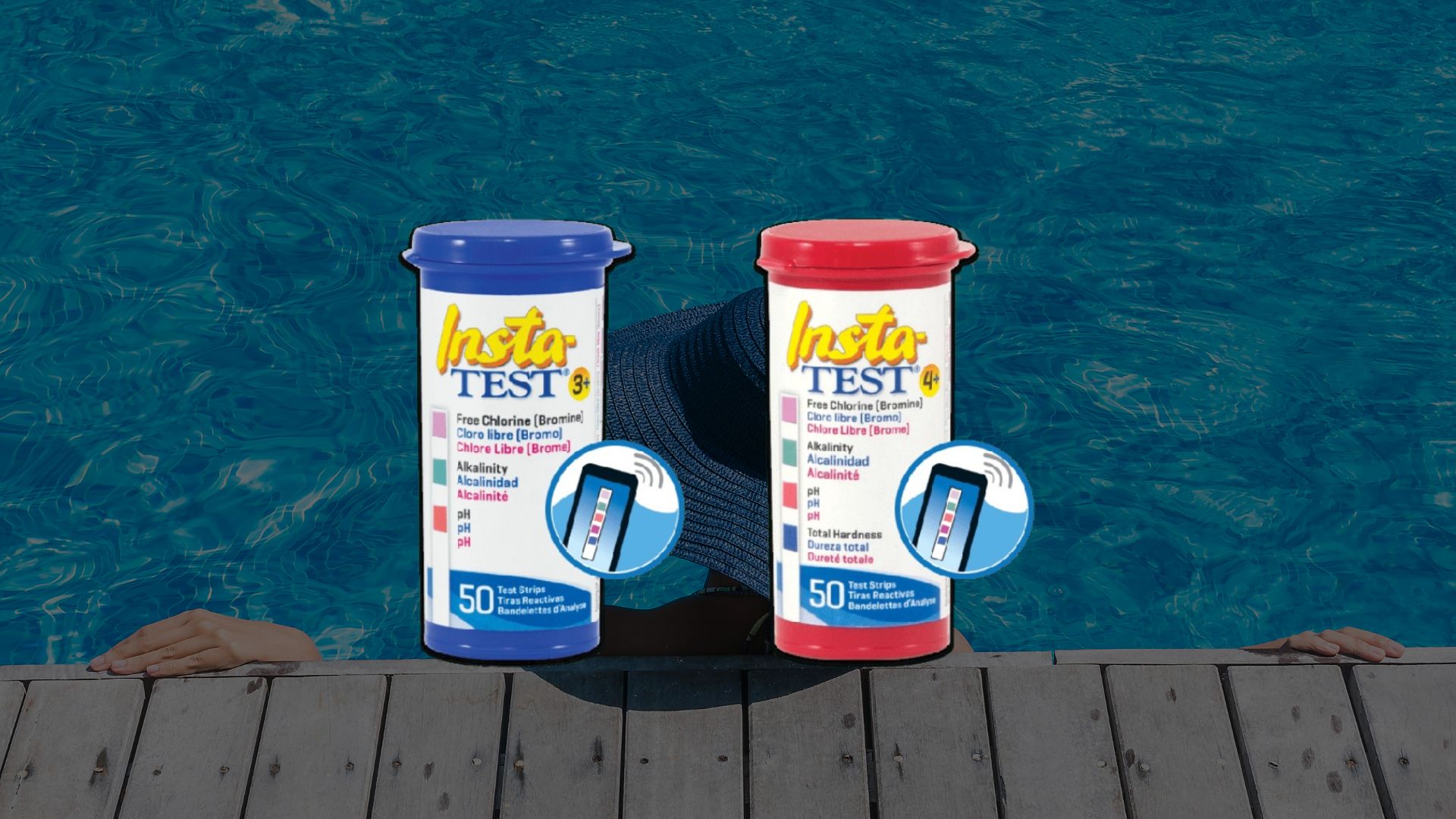
Insta-TEST® 3 Plus
The Insta-TEST® 3 Plus test strips are designed for fast routine monitoring by measuring:
- Free Chlorine
- pH
- Total Alkalinity
This makes them an excellent option for day-to-day pool maintenance where rapid testing helps maintain consistent water quality.
Insta-TEST® 4 Plus
For operators requiring broader water analysis, the Insta-TEST® 4 Plus adds Total Hardness measurement alongside:
- Free Chlorine
- pH
- Total Alkalinity
- Total Hardness
This provides a more complete picture of pool chemistry, helping protect pool surfaces and equipment while supporting balanced water management.
How Often Should You Perform Pool Water Testing?
Testing frequency depends on pool usage, weather conditions and local regulations.
As a general guide:
- Daily during periods of heavy pool use
- Before and after large gatherings
- After heavy rainfall
- After topping up pool water
- Following chemical treatments
- At least two to three times per week for residential pools during the swimming season
High temperatures and increased bather loads can significantly alter chlorine and pH levels, making more frequent testing beneficial. The CDC also advises checking chlorine and pH regularly, particularly during periods of heavy use.
Best Practices for Accurate Results
To get the most from any pool water testing kit, follow a consistent testing procedure:
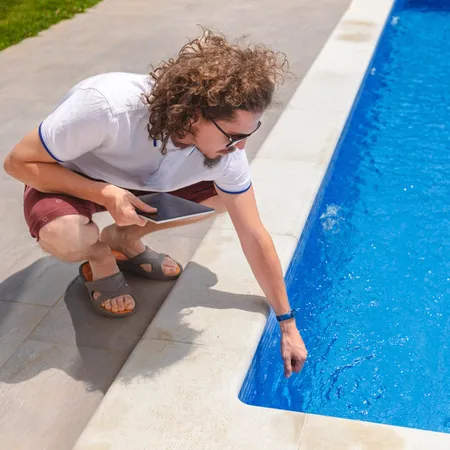
- Collect water away from skimmers or return jets.
- Sample water approximately elbow depth below the surface.
- Follow the manufacturer’s recommended immersion time.
- Read results within the specified time window.
- Store test strips in a cool, dry place with the lid tightly closed.
- Avoid touching the reagent pads before testing.
Consistent testing practices improve reliability and help identify trends before water quality deteriorates.
Prevent Problems Before They Start
Many common pool issues begin long before visible signs appear.
Cloudy water, algae blooms, unpleasant odours and scaling are often the result of gradual chemical imbalances that could have been detected through routine pool water testing.
Using a dependable pool test kit enables proactive maintenance rather than reactive problem-solving. Instead of correcting major water quality issues, operators can make smaller, more economical adjustments that keep pools operating efficiently throughout the season.
Keep Pool Water Balanced with Confidence
Effective pool maintenance starts with reliable testing. Regular monitoring helps maintain safe swimming conditions, protects pool infrastructure and improves chemical efficiency.
Whether you’re responsible for a backyard swimming pool, resort, school or commercial aquatic facility, selecting the right pool water test kit makes routine maintenance faster and more reliable.
LaMotte Pacific’s Insta-TEST® 3 Plus and Insta-TEST® 4 Plus test strips provide a convenient solution for monitoring the key parameters that matter most, helping pool owners and operators maintain consistently balanced water with confidence.
FAQs
Why is regular pool water testing important?
Regular pool water testing helps maintain the correct balance of sanitiser and water chemistry, ensuring safe swimming conditions. It also helps prevent algae growth, cloudy water, equipment corrosion and unnecessary chemical use by identifying issues before they become major problems.
How often should I use a pool test kit?
For most residential pools, using a pool test kit two to three times per week is recommended during the swimming season. Commercial pools, heavily used pools or pools affected by rainfall, high temperatures or chemical treatments may require daily testing.
What is the difference between the Insta-TEST® 3 Plus and Insta-TEST® 4 Plus?
Both test strips provide fast and convenient pool water testing, but they measure different parameters.
- Insta-TEST® 3 Plus measures Free Chlorine, pH and Total Alkalinity.
- Insta-TEST® 4 Plus measures Free Chlorine, pH, Total Alkalinity and Total Hardness, providing a more comprehensive assessment of pool water chemistry.
Are pool test strips as accurate as liquid test kits?
When used according to the manufacturer’s instructions, high-quality pool test strips provide reliable results for routine pool water testing. They offer a quick and convenient method for monitoring key water parameters and are widely used for regular pool maintenance.
Can I use the same pool water test kit for spas and hot tubs?
Many pool water test kits, including test strips that measure chlorine, pH and alkalinity, can also be used for spas and hot tubs. However, because spas typically experience higher temperatures and heavier bather loads, water should be tested more frequently to maintain proper chemical balance.
For Further Enquiry Contact: sales@lamottepacific.com