Pool water management has become far more sophisticated than simply adding chlorine and checking water clarity. Modern pools—especially saltwater systems—require consistent monitoring of multiple chemical parameters to maintain water quality, swimmer comfort, and equipment longevity.
As a result, demand for advanced pool test kit Australia solutions continues to rise across residential, commercial, and aquatic facilities. Today’s operators are increasingly investing in professional-grade swimming pool test kits Australia and reliable pool water testing equipment Australia to achieve more accurate and efficient water management.
The Growing Complexity of Pool Chemistry
Every pool operates as a delicate chemical system where multiple parameters constantly interact.
Key water quality factors include:
- Free chlorine
- pH levels
- Total alkalinity
- Calcium hardness
- Cyanuric acid
- Sodium chloride (salt concentration)
Even small imbalances can create significant operational issues.
For example:
- High pH reduces chlorine effectiveness
- Low alkalinity destabilises pH control
- Excess calcium hardness leads to scale buildup
- Incorrect salt levels reduce chlorinator performance
Maintaining balance across all these variables requires more than basic testing strips. This is why comprehensive pool water testing equipment Australia is becoming essential for modern pool operations.
Why Salt Testing Matters in Modern Pools
Saltwater pools have become increasingly popular across Australia because they provide:
- Softer-feeling water
- Reduced handling of chlorine chemicals
- Lower ongoing sanitiser management requirements
However, saltwater systems depend heavily on maintaining correct sodium chloride levels.
Most salt chlorinators operate efficiently between:
- 2,700–3,400 ppm sodium chloride
If salt levels fall below recommended ranges:
- Chlorine production decreases
- Sanitisation becomes inconsistent
- Chlorinator cells may work harder and wear faster
If salt levels become too high:
- Corrosion risk increases
- Equipment damage becomes more likely
- Swimmer comfort may decrease
Accurate salt testing is therefore critical for long-term system performance.
The Limitations of Basic Pool Testing Methods
Many standard pool testing methods provide only approximate readings.
Common challenges include:
- Subjective colour interpretation
- Limited parameter coverage
- Inconsistent reagent dosing
- Reduced precision in complex water systems
For pools using salt chlorination, relying solely on basic strips may not provide sufficient insight into total water balance.
This is driving greater demand for more advanced swimming pool test kits Australia capable of delivering accurate multi-parameter analysis.
Why Professional Pool Testing Kits Deliver Better Results
Professional-grade pool testing systems provide:
- Greater testing accuracy
- More consistent results
- Better chemical control
- Improved troubleshooting capability
This enables operators to make more informed decisions while reducing unnecessary chemical adjustments.
More accurate testing often leads to:
- Lower chemical consumption
- Reduced maintenance costs
- Improved water clarity
- Longer equipment lifespan
Industry data suggests that precise water balancing can reduce corrective maintenance and chemical waste by up to 20–30% annually.
LaMotte Sodium Chloride Salt Test Kit: Accurate Salt Monitoring Made Simple
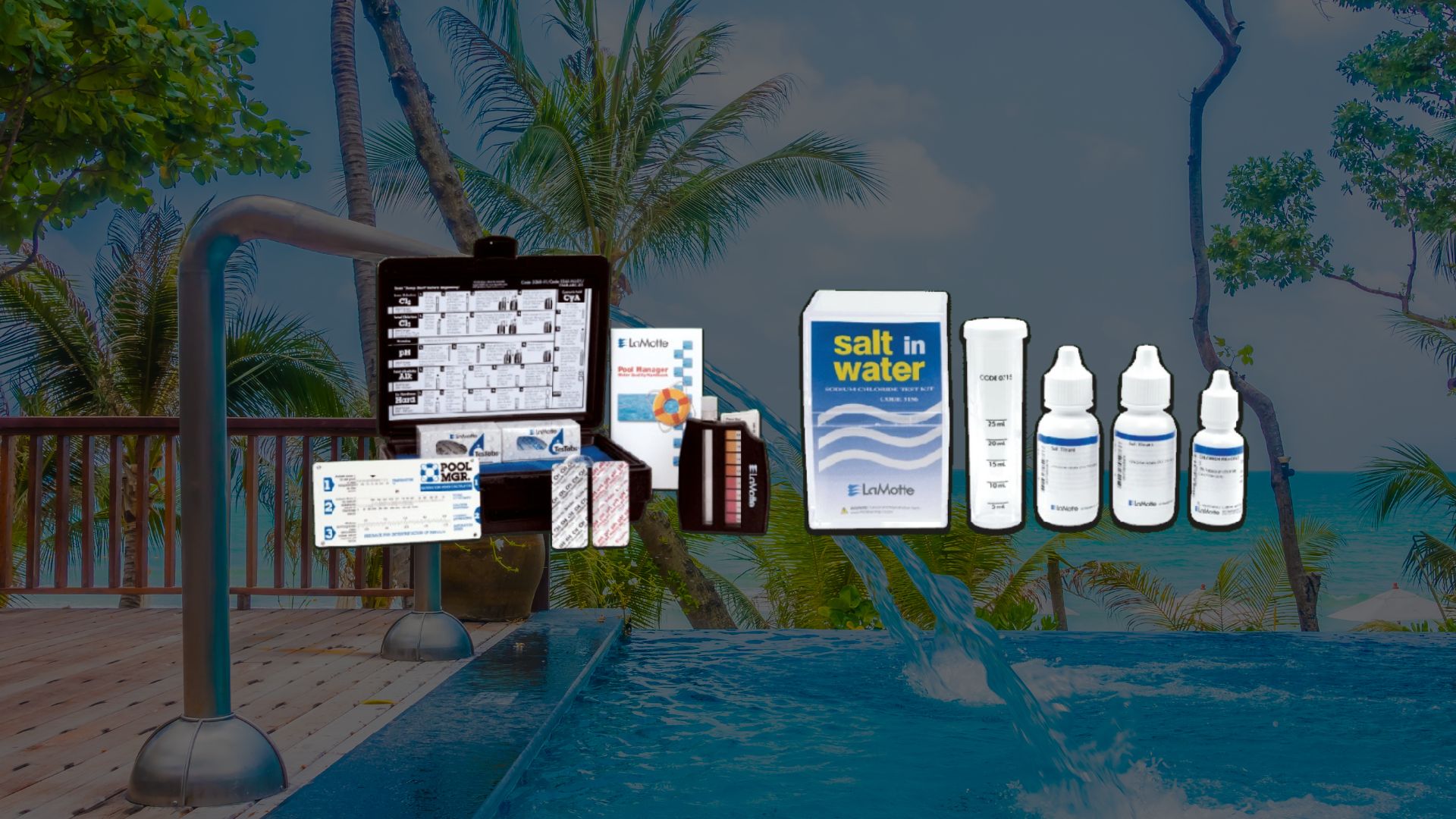
The Sodium Chloride Salt Test Kit from LaMotte Pacific is designed specifically for accurate salt level monitoring in pool systems.
Key Advantages
Precise Salt Measurement
The kit enables accurate monitoring of sodium chloride concentrations critical for salt chlorinator efficiency.
Reliable Water Balance Management
Maintaining proper salt levels helps support:
- Stable chlorine generation
- Better sanitisation performance
- Reduced chlorinator strain
Practical Field Use
The kit is designed for easy routine testing across residential and commercial pool environments.
For operators managing saltwater systems, this type of specialised testing plays an increasingly important role in overall pool performance.
Pool Mgr™ PM-51-NJ: Multi-Parameter Professional Pool Testing
While salt testing is important, comprehensive pool management requires monitoring multiple parameters together.
The Pool Mgr™ Tablet Series Kit Model PM-51-NJ provides advanced multi-parameter water testing designed for professional pool operators.
Why Multi-Parameter Testing Matters
Water chemistry parameters rarely operate independently.
For example:
- Chlorine effectiveness depends heavily on pH
- Alkalinity affects pH stability
- Hardness influences scaling risk
Testing these variables together enables operators to identify root causes rather than reacting to isolated symptoms.
Benefits of Tablet-Based Testing
The PM-51-NJ uses tablet reagents, which offer several operational advantages:
Pre-Measured Accuracy
Tablet reagents reduce dosing inconsistencies.
Improved Repeatability
Results remain more consistent across different operators.
Longer Shelf Stability
Tablet reagents often maintain performance longer than liquid alternatives.
Cleaner Testing Workflow
Tablets simplify handling and reduce contamination risk.
These advantages make tablet-based systems a trusted option within professional pool water testing equipment Australia environments.
Why Data-Driven Pool Management Is Becoming Standard
Modern pool management is increasingly driven by data and operational efficiency.
Several industry trends are accelerating demand for advanced testing systems:
Rising Chemical Costs
Accurate testing helps reduce unnecessary dosing.
Increased Compliance Expectations
Commercial facilities must maintain documented water quality standards.
Sustainability Initiatives
Better water balance reduces chemical and water waste.
Higher User Expectations
Swimmers increasingly expect cleaner, clearer, and safer pool environments.
Professional-grade pool test kit Australia solutions help operators respond more effectively to these demands.
Best Practices for Pool Water Testing
To achieve reliable and consistent results:
Test Frequently
Commercial pools may require multiple daily tests depending on usage.
Monitor Salt Levels Regularly
Saltwater pools should routinely verify sodium chloride concentrations.
Use Fresh Water Samples
Testing should be performed promptly after sample collection.
Store Reagents Correctly
Proper storage helps maintain testing accuracy.
Track Water Trends
Historical records help identify developing imbalances before they become major issues.
Consistency is essential for maintaining stable water chemistry.
The Future of Pool Water Testing in Australia
As pool systems continue evolving, testing methods are becoming:
- More precise
- More comprehensive
- More operationally efficient
Facilities are increasingly moving toward integrated testing strategies that combine:
- Multi-parameter chemical analysis
- Salt monitoring
- Digital data tracking
- Preventive maintenance planning
This shift reflects a broader focus on proactive water management rather than reactive problem-solving.
The Bottom Line
Effective pool management requires more than occasional chlorine checks. Modern pools demand accurate, comprehensive water analysis to maintain safe conditions, optimise efficiency, and protect equipment.
LaMotte Pacific’s Sodium Chloride Salt Test Kit and Pool Mgr™ PM-51-NJ provide practical, professional-grade solutions for operators seeking dependable swimming pool test kits Australia.
By combining accurate salt monitoring with comprehensive multi-parameter testing, these systems help deliver smarter water management, lower operating costs, and consistently better pool performance.
FAQs
- Why is salt testing important in pools?
Salt levels directly affect chlorinator performance and chlorine generation efficiency.
- What should a professional pool test kit measure?
Key parameters include chlorine, pH, alkalinity, hardness, and salt concentration.
- Are tablet-based pool test kits accurate?
Yes, tablet reagents provide consistent dosing and highly repeatable results.
- How often should pool water be tested?
Commercial pools often require multiple daily tests, while residential pools should be tested regularly.
- What is the ideal salt level for saltwater pools?
Most salt chlorination systems operate best between 2,700–3,400 ppm sodium chloride.
For Further Enquiry Contact: sales@lamottepacific.com