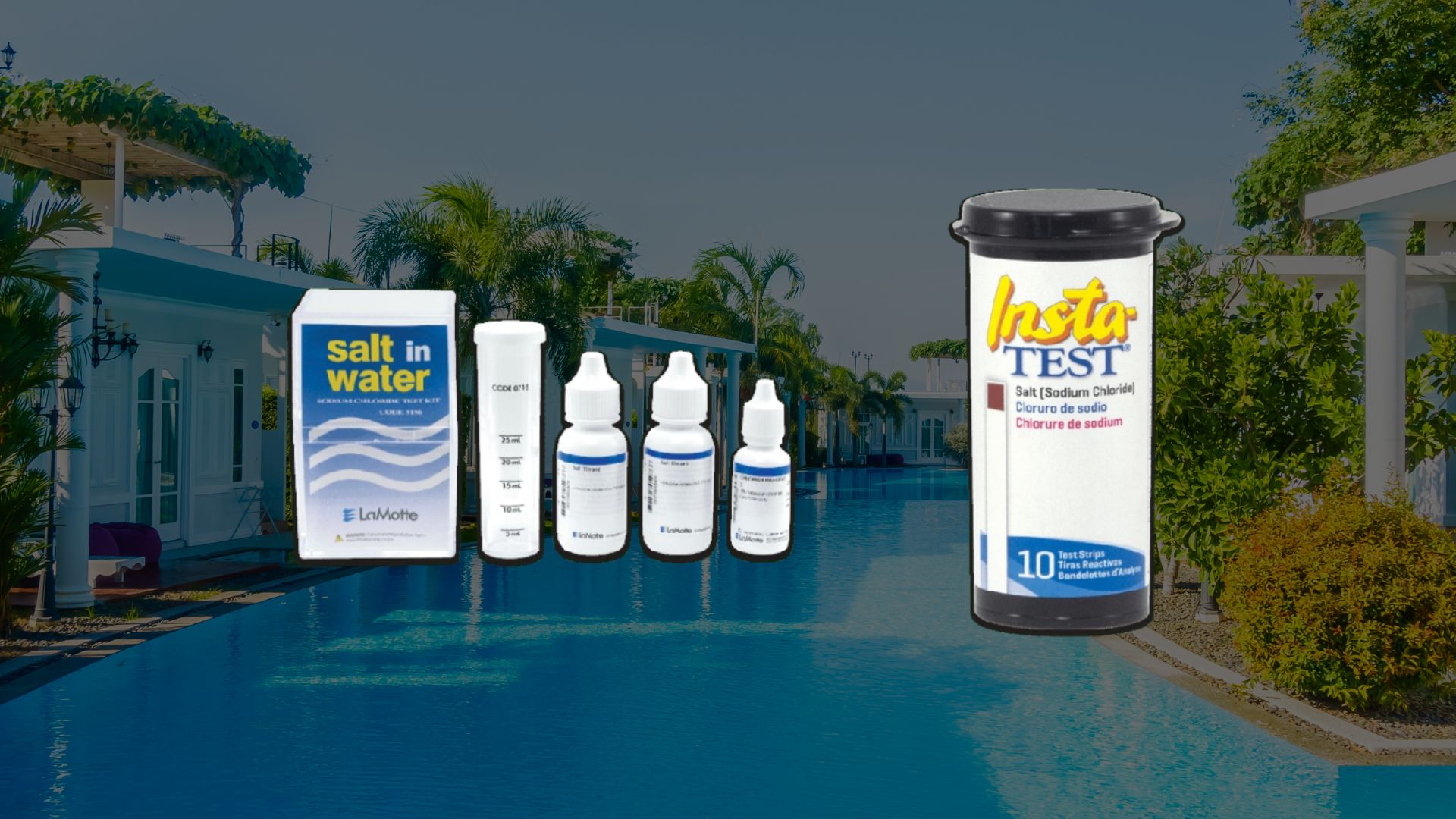
As saltwater pools continue to gain popularity across Australia, the focus of water testing is expanding beyond chlorine and pH to include chloride (salt) concentration. Accurate salt measurement is essential for ensuring optimal system performance, swimmer comfort, and equipment longevity.
For pool operators and homeowners, investing in reliable chloride testing equipment is now a key part of effective swimming pool water testing Australia.
Why Chloride Levels Matter in Pool Water
Saltwater pools rely on sodium chloride (NaCl) to generate chlorine through electrolysis. This makes chloride concentration a critical parameter that directly impacts sanitisation efficiency.
Ideal Salt Levels
Most saltwater chlorination systems operate efficiently within a range of:
- 2,700 – 3,400 ppm (mg/L) sodium chloride
Maintaining levels within this range ensures:
- Consistent chlorine production
- Reduced strain on chlorinators
- Balanced water chemistry
Risks of Imbalanced Chloride Levels
Improper salt levels can lead to operational inefficiencies and long-term damage:
Low Salt Levels:
- Reduced chlorine generation
- Increased risk of bacterial growth
- Overworking of chlorination systems
High Salt Levels:
- Corrosion of metal fixtures and pool equipment
- Scaling and deposits on surfaces
- Unpleasant taste and swimmer’s discomfort
Without accurate monitoring using a chloride water test kit, these issues can quickly escalate.
The Growing Importance of Salt Testing in Australia
Australia has seen a significant shift toward saltwater pools due to their lower chemical handling requirements and improved swimmer experience. Industry estimates suggest that a majority of new residential pools in Australia now use salt chlorination systems.
This trend has increased the demand for reliable swimming pool water testing kit Australia solutions that include chloride testing as a core parameter.
Why Traditional Testing Methods Fall Short
Conventional methods for measuring salt levels, such as titration or electronic meters, can be:
- Time-consuming
- Prone to user error
- Costly to maintain
In contrast, modern test strip-based chloride testing equipment offers a faster and more user-friendly alternative, particularly for routine monitoring.
LaMotte Insta-TEST® Salt Testing Solutions
LaMotte Pacific provides a range of test strips and kit options designed to deliver accurate chloride measurements with minimal effort.
High-Precision Testing for Professional Use
The Insta-TEST® Pro Sodium Chloride (Salt) Test Strips are designed for users who require higher accuracy and consistency.
Key benefits:
- Enhanced precision for professional pool management
- Quick results to support real-time decision-making
- Ideal for commercial pools and high-use environments
These strips are particularly useful in facilities where maintaining strict water quality standards is essential.
Reliable Everyday Monitoring
The Insta-TEST® Sodium Chloride (Salt) Test Strips offer a practical solution for routine salt level checks.
Why they work:
- Simple dip-and-read format
- Fast results in seconds
- Suitable for residential and light commercial use
This makes them a convenient addition to any swimming pool water testing kit Australia setup.
Comprehensive Salt Testing Kits
For users seeking a more structured approach, the Sodium Chloride Salt Test Kit provides a complete solution for measuring salt levels.
Advantages:
- Designed for consistent and repeatable testing
- Suitable for users who prefer a kit-based approach
- Supports detailed water quality monitoring
Data-Driven Benefits of Chloride Testing
Incorporating regular salt testing into your maintenance routine can deliver measurable operational improvements:
- Improved Chlorinator Efficiency: Optimal salt levels reduce energy consumption and extend equipment lifespan
- Reduced Maintenance Costs: Prevents corrosion and scaling issues
- Enhanced Water Quality: Ensures consistent sanitisation performance
- Operational Consistency: Supports stable pool chemistry over time
Studies in pool management indicate that maintaining balanced water chemistry—including salt levels—can reduce overall maintenance costs by up to 25% annually.
How to Choose the Right Chloride Water Test Kit
Selecting the right chloride water test kit depends on several factors:
1. Pool Type
Saltwater pools require more frequent and precise chloride monitoring compared to traditional pools.
2. Testing Frequency
High-use pools benefit from rapid testing solutions like strips for daily checks.
3. Accuracy Requirements
Commercial facilities may require higher precision, making professional-grade strips or kits more suitable.
4. Ease of Use
User-friendly solutions reduce training time and improve testing consistency.
5. Integration with Other Parameters
Combining chloride testing with other water quality parameters ensures comprehensive pool management.
Best Practices for Chloride Testing
To ensure accurate results and optimal pool performance:
- Test salt levels at least once a week
- Increase testing frequency during heavy pool usage or extreme weather
- Avoid testing immediately after adding salt
- Store test strips in a cool, dry environment
- Maintain consistent testing procedures for reliable data
Tracking salt levels over time also helps identify trends and optimise chemical dosing strategies.
The Bottom Line
As saltwater pools become the standard across Australia, chloride testing is no longer optional—it’s essential. Accurate salt measurement ensures efficient chlorination, protects pool infrastructure, and enhances the overall swimming experience.
LaMotte Pacific’s Insta-TEST® range offers practical, reliable solutions for both routine and professional chloride testing. Whether you’re managing a commercial facility or maintaining a backyard pool, investing in the right chloride testing equipment ensures better water quality, lower operational costs, and long-term system performance.
FAQs
- What is the ideal salt level for a swimming pool?
Most saltwater pools operate best between 2,700 and 3,400 ppm sodium chloride.
- How often should I test salt levels in my pool?
At least once a week, or more frequently during heavy use or after adding salt.
- Why is chloride testing important in pools?
It ensures proper chlorine generation, prevents equipment damage, and maintains water quality.
- Are salt test strips accurate?
Yes, high-quality test strips provide fast and reliable results for routine monitoring.
- What happens if salt levels are too high?
High salt levels can cause corrosion, scaling, and discomfort for swimmers.
For Further Enquiry Contact: sales@lamottepacific.com