Accurate water testing is the backbone of safe swimming pools, aquatic facilities, and treated water systems across Australia. With high UV exposure, fluctuating temperatures, and varying source water mineral content, maintaining correct chemical balance requires more than guesswork—it requires reliable analytical methods.
While digital meters and test strips offer convenience, reagent tablets remain one of the most trusted and repeatable solutions for professional water testing. For operators searching for dependable pool water testing equipment Australia, tablet-based systems deliver laboratory-style precision with field-ready practicality.
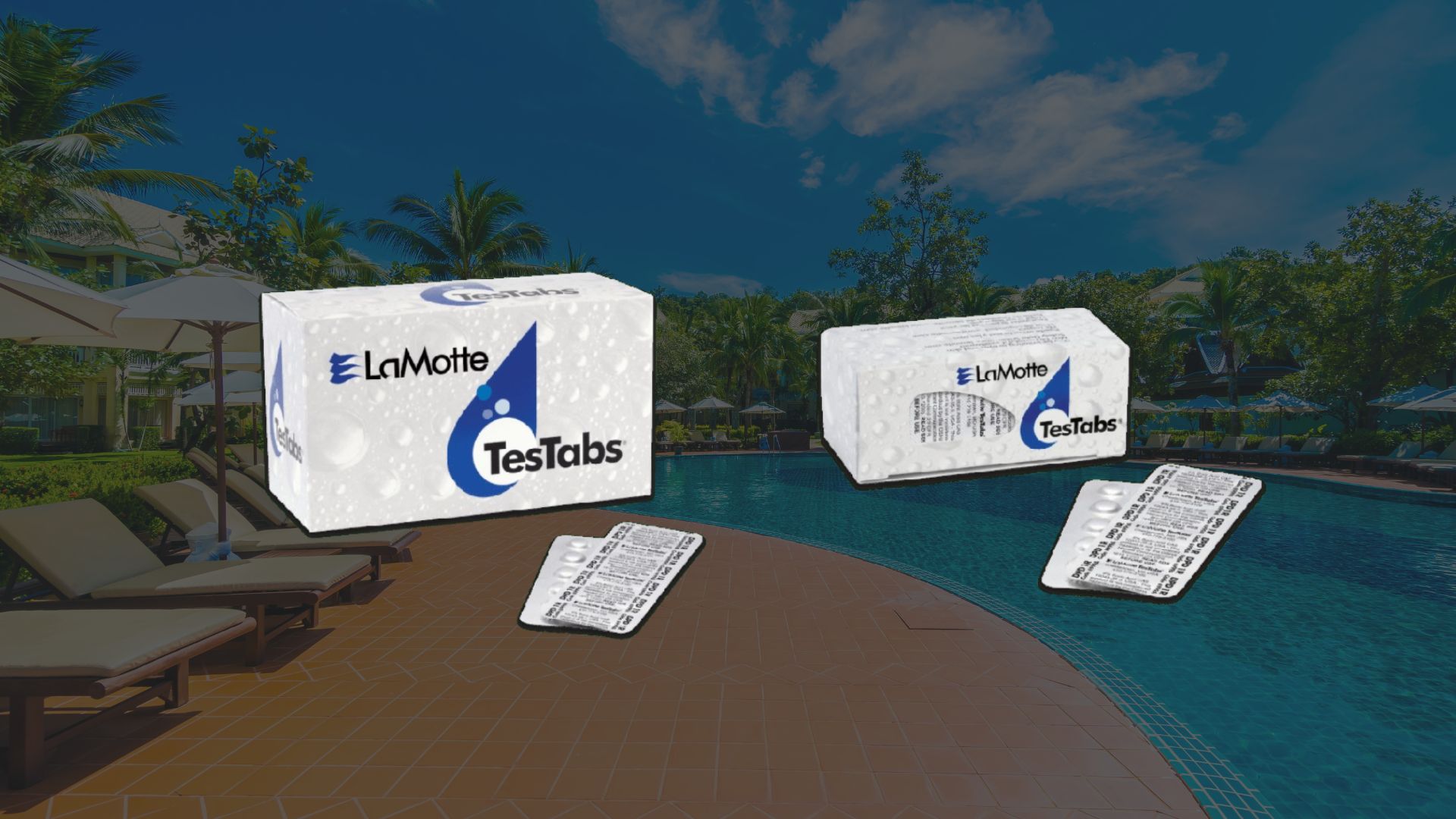
This is where LaMotte Pacific provides significant value, offering high-quality Testabs® tablet reagents designed for consistency, stability, and accurate endpoint detection.
Why Accurate Water Chemistry Matters in Australia
Australian pool and aquatic environments face unique challenges:
- High UV degradation of chlorine – Sunlight accelerates chlorine breakdown.
- Hard source water in many regions – Elevated calcium levels increase scaling risk.
- Temperature fluctuations – Chemical reaction rates change with water temperature.
- Regulatory compliance requirements – Public pools must meet strict disinfection standards.
Failure to maintain optimal water chemistry can lead to:
- Pathogen survival due to low free chlorine
- Scaling on pool surfaces and heat exchangers
- Corrosion of metal fixtures
- Increased chemical consumption
- Expensive corrective maintenance
Routine, precise testing helps avoid these operational and financial risks.
Core Parameters Every Pool Operator Must Control
1. Free Chlorine: The Primary Disinfectant
Free chlorine is responsible for eliminating bacteria, viruses, and algae. In most swimming pools, recommended free chlorine levels typically range between 1–3 ppm (depending on jurisdiction and pool type).
Chlorine DPD 1 Rapid Testabs (100 Pack & 1000 Pack)
The Chlorine DPD 1 Rapid Testabs use the DPD (N, N-diethyl-p-phenylenediamine) method, widely recognised in water analysis for its accuracy in measuring free chlorine.
Available in:
- 100 pack – ideal for small facilities or routine residential use
- 1000 pack – cost-efficient for commercial operators and high-frequency testing
Benefits include:
- Rapid colour development
- Clear visual endpoint
- Stable reagent format
- Reduced contamination risk versus liquid reagents
- Extended shelf life under proper storage
For those managing commercial aquatic facilities or councils seeking scalable pool water testing equipment Australia, the 1000-pack format improves cost-per-test efficiency and supports daily compliance logging.
2. Total Alkalinity: The pH Buffer System
Total alkalinity acts as a stabiliser for pH. When alkalinity is too low, pH fluctuates dramatically. When too high, scaling and cloudy water can occur.
Maintaining alkalinity typically within 80–120 ppm (depending on pool type) improves chemical stability and chlorine effectiveness.
Alkalinity Testabs Tablets (100 Pack)
These tablets are designed for accurate titration-based alkalinity measurement. Unlike strips, tablet reagents:
- Provide sharper colour transitions
- Reduce subjective interpretation
- Improve repeatability between operators
- Support more precise dosing decisions
For facilities managing multiple pools, spas, or hydrotherapy systems, accurate alkalinity testing reduces the frequency of corrective acid/base treatments—lowering chemical consumption and protecting equipment lifespan.
3. Calcium Hardness: Preventing Scaling & Corrosion
Calcium hardness plays a crucial role in protecting pool surfaces and mechanical systems. Low hardness leads to corrosive water that can damage plaster, grout, and metal components. High hardness promotes scale formation, particularly in heated pools and heat exchangers.
Australian groundwater often contains naturally elevated calcium levels, making hardness testing especially important in many regions.
Calcium Hardness TestTabs (100 Pack)
The Calcium Hardness TestTabs allow precise titration measurement, enabling operators to:
- Detect scaling risk early
- Optimise water balance
- Protect heaters and filtration systems
- Reduce long-term capital maintenance costs
Maintaining hardness typically within 200–400 ppm (depending on surface type) supports infrastructure protection and swimmer comfort.
Why Tablet Reagents Remain a Professional Standard
While dip strips offer speed, tablet reagents continue to be preferred in many professional environments due to:
1. Measurement Precision
Titration-based testing often delivers higher analytical confidence compared to colour block strip comparisons.
2. Reduced Reagent Degradation
Liquid reagents can deteriorate over time, especially in warm Australian climates. Individually sealed tablets offer greater stability.
3. Improved Audit Documentation
Commercial and public pools frequently undergo inspections. Tablet-based methods provide more defensible documentation for regulatory review.
4. Cost Efficiency at Scale
Bulk packaging options—such as the 1000-pack DPD tablets—reduce cost per test for high-volume operations.
Data-Driven Operational Benefits
Consistent and accurate testing delivers measurable business impact:
- Lower chemical waste – Precise dosing prevents over-treatment.
- Reduced downtime – Fewer closures due to algae or contamination.
- Extended equipment lifespan – Balanced water minimises corrosion and scale.
- Improved swimmer satisfaction – Proper chlorine and pH levels reduce irritation complaints.
For commercial operators, aquatic centres, and hotels, these outcomes directly affect revenue, maintenance budgets, and reputation.
Best Practice Testing Frequency
To maintain optimal water balance in Australian conditions:
- Residential pools: 2–3 times per week (more during peak summer)
- Commercial pools: Daily, often multiple times per day
- Heated pools: Monitor hardness and alkalinity more frequently
- After heavy rainfall: Immediate re-testing recommended
Tablet reagents provide the reliability needed for high-frequency testing without significant variation between users.
Choosing the Right Testing Approach
When selecting water testing solutions, consider:
- Testing frequency
- Facility size
- Regulatory requirements
- Cost per test
- Ease of training staff
- Storage conditions
For many professional environments, a tablet-based system offers the optimal balance between precision, scalability, and operational efficiency.
FAQs
What are the essential parameters to test?
Focus on the “Big 5”: Free Chlorine (sanitiser), pH (comfort), Total Alkalinity (balance), Calcium Hardness (surface protection), and Cyanuric Acid (sunscreen for your chlorine).
Where can I find reputable pool test kit suppliers?
Right here at LaMotte Pacific! We manufacture our reagents locally in Sydney, ensuring they are fresh and calibrated for the Australian climate.
Final Thoughts
Maintaining safe, compliant pool water in Australia demands systematic, data-backed chemical management. Free chlorine, alkalinity, and calcium hardness are interconnected variables that directly influence water safety, infrastructure longevity, and operational costs — outcomes best supported by using a reliable pool chlorine test kit Australia operators can trust.
By using high-quality tablet reagents such as:
- Alkalinity Testabs Tablets (100 Pack)
- Calcium Hardness TestTabs (100 Pack)
- Chlorine DPD 1 Rapid Testabs (100 Pack & 1000 Pack)
Operators gain accurate, repeatable results that support smarter chemical dosing decisions.
In a climate where UV exposure and mineral variability constantly challenge water stability, precision testing is not optional—it is essential.
For Further Enquiry Contact: sales@lamottepacific.com