When people think of swimming pool water testing, the focus is often limited to chlorine and pH. However, the broader reality is that water quality—whether in pools, drinking systems, or urban environments—requires a more comprehensive testing approach.
Across Australia, growing awareness around water safety, contamination risks, and regulatory standards is driving demand for advanced pool water testing equipment Australia and multi-parameter testing solutions.
The Expanding Scope of Water Testing
While pool water testing remains critical for maintaining safe swimming conditions, similar principles apply to drinking water and urban water systems.
Water quality is influenced by multiple factors:
- Microbial contamination (bacteria, E. coli)
- Chemical balance (pH, alkalinity, hardness)
- Disinfectant levels (chlorine)
- Environmental pollutants
Failing to monitor these parameters can lead to health risks, infrastructure damage, and regulatory non-compliance.
Why Swimming Pool Water Testing Alone Isn’t Enough
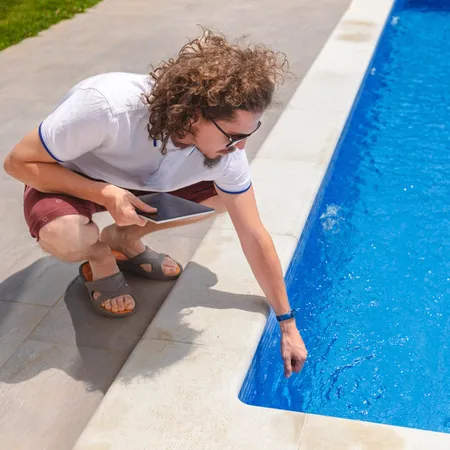
A standard swimming pool test kit typically measures:
- Free and total chlorine
- pH levels
- Alkalinity and hardness
While these are essential, they don’t provide a complete picture of water safety—especially when water sources extend beyond pools.
For example:
- Drinking water may contain harmful bacteria even if it appears clear
- Urban water systems can introduce contaminants through aging infrastructure
- Cross-contamination between systems can occur in shared environments
This is why modern water management strategies increasingly rely on broader testing solutions.
Data-Driven Risks of Poor Water Quality
Global water quality studies highlight the importance of routine testing:
- Contaminated water is a leading cause of waterborne illnesses
- Even low levels of bacterial contamination can pose health risks
- Imbalanced water chemistry can reduce disinfectant efficiency by up to 50%
For pool operators, this means that relying solely on basic pool water analyzer Australia tools may not be sufficient in high-risk environments.
LaMotte Water Testing Kits: Expanding Beyond the Pool
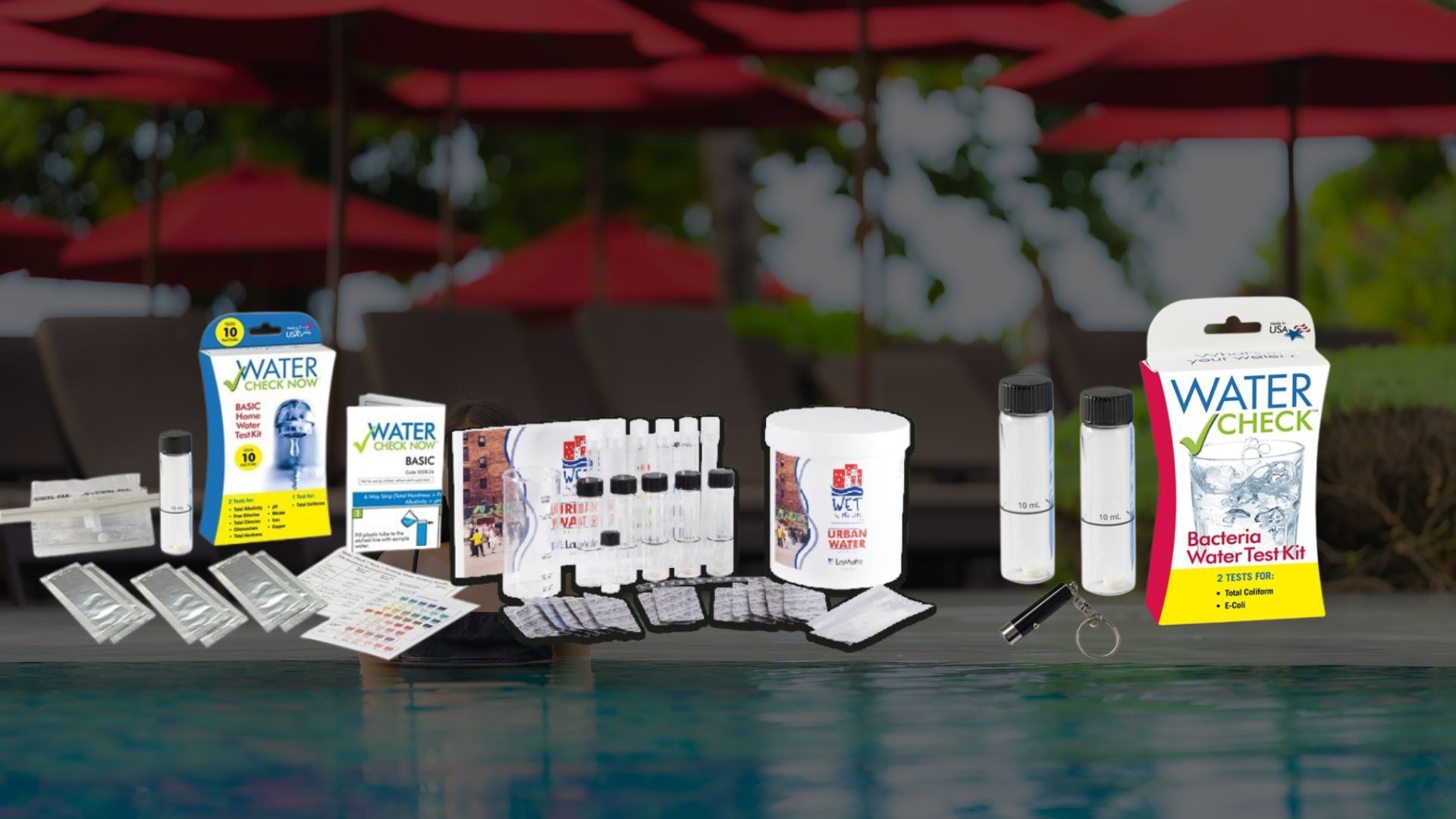
LaMotte Pacific offers a range of testing kits designed to address both pool and non-pool water quality challenges.
Essential Testing for Everyday Use
The Basic Drinking Water Kit provides a practical solution for testing key water quality parameters.
Key capabilities:
- Measures critical chemical indicators
- Helps identify potential contamination risks
- Suitable for residential and light commercial use
This kit complements traditional swimming pool water testing by extending monitoring to potable water sources.
Urban Water Monitoring Made Simple
The Urban Water Test Kit is designed for environments where water quality may be influenced by external factors such as infrastructure, runoff, or industrial activity.
Why it matters:
- Detects a broader range of water quality issues
- Supports compliance in urban and commercial settings
- Ideal for facilities managing multiple water sources
For businesses and institutions, this level of testing provides a more comprehensive approach than standard pool water testing equipment Australia.
Bacteriological Safety for Drinking Water
The Bacteria Drinking Water Kit focuses on one of the most critical aspects of water safety: microbial contamination.
Operational benefits:
- Detects harmful bacteria such as E. coli
- Supports health and safety compliance
- Essential for drinking water assurance
This is particularly important because bacterial contamination cannot be detected through visual inspection or basic chemical testing alone.
Bridging the Gap: Pool and Drinking Water Testing
Modern water management requires an integrated approach that combines:
- Swimming pool water testing for chemical balance
- Drinking water testing for safety and compliance
- Environmental monitoring for risk prevention
By using a combination of tools, operators can:
- Identify issues early
- Prevent cross-contamination
- Maintain consistent water quality across systems
Choosing the Right Pool Water Testing Equipment in Australia
Selecting the right pool water testing equipment Australia depends on your specific needs:
1. Type of Water Source
Pools, drinking water, and urban systems require different testing parameters.
2. Risk Level
Higher-risk environments (e.g., public facilities) require more comprehensive testing.
3. Frequency of Testing
Daily pool testing may be supplemented with periodic bacterial or chemical analysis.
4. Ease of Use
User-friendly kits improve consistency and reduce operational errors.
5. Data Tracking
Consistent testing enables trend analysis and better decision-making.
Best Practices for Comprehensive Water Testing
To ensure accurate and reliable results:
- Test pool water daily for chlorine and pH
- Conduct regular drinking water checks for safety
- Monitor bacterial levels periodically
- Maintain proper storage of testing kits
- Record and analyse results over time
This multi-layered approach ensures both safety and efficiency across all water systems.
The Bottom Line
Water quality management is no longer limited to maintaining clear pool water—it’s about ensuring safety, compliance, and operational efficiency across all water sources.
While a swimming pool test kit remains essential, expanding your testing strategy with advanced solutions like drinking water and bacteria test kits provides a more complete understanding of water quality.
LaMotte Pacific’s range of testing kits supports this broader approach, helping users move beyond basic pool water analyzer Australia tools toward comprehensive water management.
For homeowners, facility managers, and commercial operators, investing in reliable water testing solutions is not just a precaution—it’s a strategic decision that protects health, reduces costs, and ensures long-term performance.
FAQs
- What does a swimming pool test kit measure?
It typically measures chlorine, pH, alkalinity, and hardness levels.
- Why is drinking water testing important?
It helps detect harmful contaminants, including bacteria and chemical imbalances.
- Can pool water testing kits detect bacteria?
No, specialised kits are required for bacteriological testing.
- How often should water be tested?
Pool water should be tested daily, while drinking water should be tested periodically based on usage and risk.
- What is the best pool water testing equipment in Australia?
The best solution depends on your needs, but multi-parameter kits offer the most comprehensive insights.
For Further Enquiry Contact: sales@lamottepacific.com