When most pool owners think about water testing, they typically focus on chlorine and pH. While these parameters are essential, they represent only a small part of the overall water quality picture.
Today’s commercial pool operators, aquatic centres, resorts, schools, and even residential pool owners are increasingly recognising the importance of comprehensive water analysis. Factors such as source water quality, trace metals, and specialised chemical monitoring can significantly impact pool performance, swimmer comfort, and long-term maintenance costs.
As demand grows for more reliable swimming pool water testing Australia solutions, advanced testing methods are helping operators move beyond basic maintenance and adopt a more proactive approach to water quality management. LaMotte Pacific supports this shift with innovative testing technologies that deliver accurate, efficient, and actionable water quality data for pools across Australia.
Why Pool Water Quality Starts Before Water Enters the Pool
Many pool issues originate from the source water itself.
Whether a facility uses municipal water, bore water, groundwater, or harvested water, contaminants and dissolved minerals can enter the pool before treatment even begins.
Common source water concerns include:
- Dissolved metals
- Manganese contamination
- Organic compounds
- Variable mineral content
- Water discolouration risks
Without proper monitoring, these issues can contribute to ongoing maintenance challenges and increased operating expenses.
This is why many water professionals incorporate broader water quality testing alongside routine pool chemistry analysis.
The Hidden Impact of Manganese in Water Systems
Manganese is a naturally occurring mineral commonly found in groundwater and some municipal water supplies.
While low concentrations may not create immediate concerns, elevated levels can affect water quality and system performance.
Potential impacts include:
Water Discolouration
Manganese can contribute to brown, black, or yellow staining in water systems and storage facilities.
Surface Staining
Pool surfaces, liners, and fittings may develop staining when metals accumulate over time.
Filtration Challenges
Higher manganese levels can increase the burden on filtration systems and treatment processes.
Maintenance Costs
Undetected metal contamination may lead to additional cleaning, chemical treatment, and equipment servicing requirements.
For facilities that use groundwater or bore water, manganese monitoring can provide valuable insights into overall water quality.
Why Trace Metal Monitoring Is Becoming More Important
Historically, many pool maintenance programs focused exclusively on visible water conditions.
However, advances in water science have demonstrated that trace contaminants can influence water quality long before obvious symptoms appear.
Regular testing helps operators:
- Detect potential problems early
- Improve treatment efficiency
- Reduce staining risks
- Optimise filtration performance
- Support long-term asset protection
For facilities seeking more comprehensive pool water analyzer Australia solutions, trace metal monitoring is becoming an increasingly valuable component of water management programs.
Understanding Specialty Chemical Monitoring
While chlorine remains the primary disinfectant in most pools, specialised chemical compounds are often used in water treatment, industrial cleaning, and facility maintenance processes.
Monitoring these chemicals can be important in certain operational environments where water quality management extends beyond standard pool chemistry.
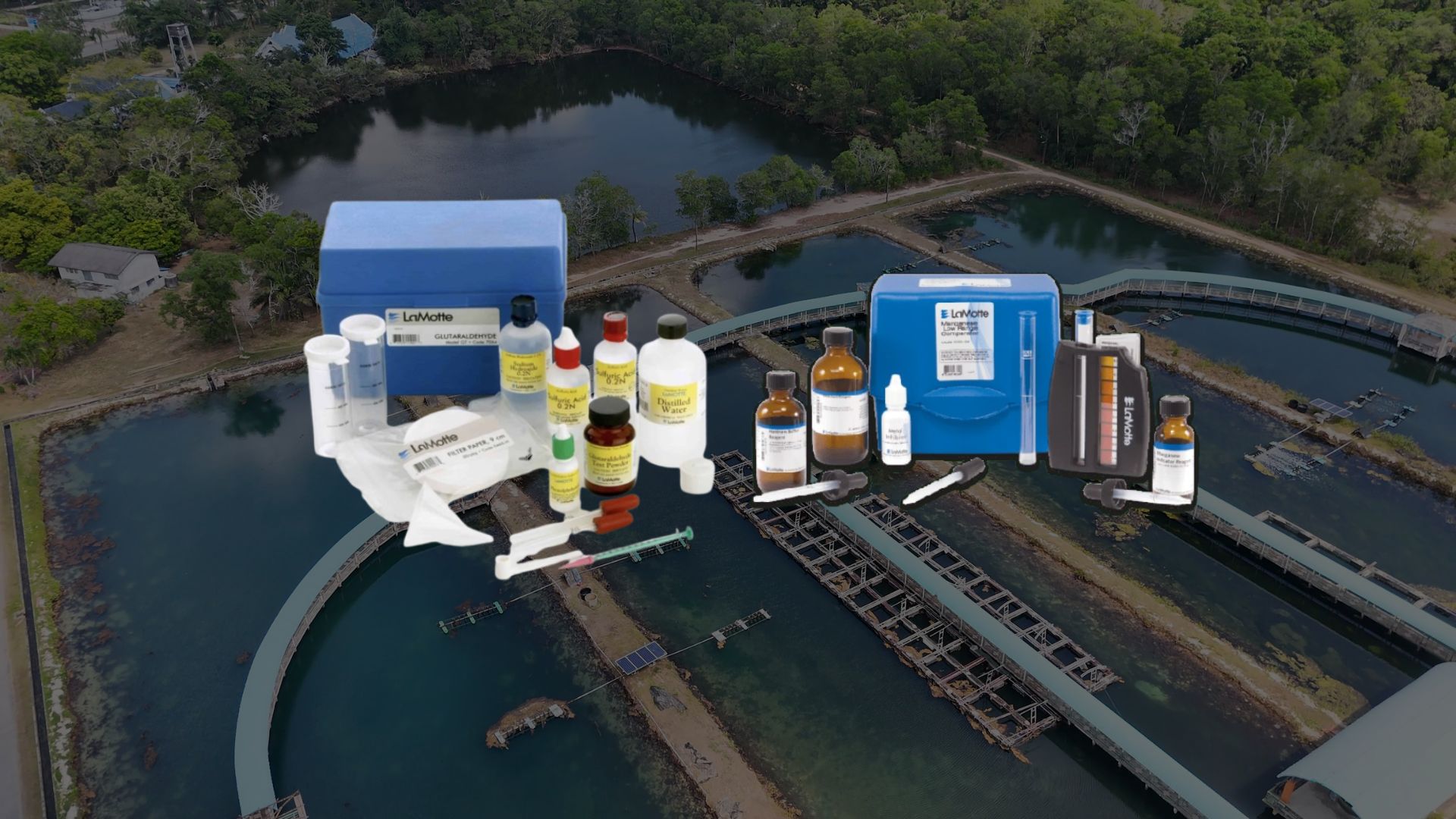
Glutaraldehyde, for example, is commonly used in industrial disinfection and water treatment applications.
Although it is not typically used as a primary pool disinfectant, facilities involved in broader water management programs may require monitoring capabilities to support environmental compliance, process control, or specialised treatment operations.
This highlights a broader trend within the water industry: comprehensive testing is becoming increasingly important for maintaining overall water quality and operational efficiency.
Why Data-Driven Water Testing Improves Pool Management
The most successful pool maintenance programs rely on data rather than assumptions.
Routine testing enables operators to:
Identify Trends Early
Small changes often indicate larger developing issues.
Optimise Chemical Usage
Accurate data reduces over-treatment and under-treatment.
Improve Water Clarity
Balanced water chemistry supports better filtration performance.
Reduce Equipment Wear
Properly managed water helps protect pumps, filters, heaters, and circulation systems.
Enhance Swimmer Satisfaction
Consistent water quality improves comfort and user experience.
Industry research consistently shows that preventive maintenance programs are more cost-effective than reactive corrective actions.
Modern Water Testing Supports Sustainability Goals
Water conservation and sustainability have become major priorities across Australia.
Advanced testing helps support these goals by:
- Reducing unnecessary water replacement
- Optimising chemical dosing
- Improving treatment efficiency
- Extending equipment lifespan
- Minimising waste generation
For commercial facilities, these improvements can translate into significant operational savings over time.
Choosing the Right Water Testing Approach
When evaluating a swimming pool water testing kit Australia, operators should consider more than just basic chlorine measurements.
Important factors include:
Accuracy
Reliable data supports better maintenance decisions.
Testing Scope
Comprehensive testing provides greater visibility into water quality.
Ease of Use
Simple procedures encourage regular monitoring.
Operational Requirements
Different facilities may require varying levels of analytical capability.
Long-Term Value
Investing in quality testing often reduces overall maintenance expenses.
Facilities managing large pools, high visitor volumes, or alternative water sources may benefit in particular from expanded water quality monitoring programs.
The Future of Swimming Pool Water Testing in Australia
As water quality expectations continue to rise, pool management is becoming increasingly sophisticated.
Modern operators recognise that successful maintenance involves understanding the complete water chemistry profile—not simply chlorine and pH.
Parameters such as trace metals, source water quality indicators, and specialised chemical measurements provide valuable information that supports safer, cleaner, and more efficient operations. LaMotte Pacific offers advanced water testing solutions that help operators accurately monitor these critical parameters and maintain optimal water quality.
Whether using a standard swimming pool water testing kit Australia for routine monitoring or integrating advanced analytical tools into broader water management programs, comprehensive testing remains one of the most effective ways to protect water quality and optimise pool performance.
The future of swimming pool water testing Australia lies in proactive, data-driven decision-making that helps facilities maintain exceptional water quality while reducing long-term operational costs.
Frequently Asked Questions
Why should pool operators test for metals such as manganese?
Manganese can contribute to staining, water discolouration, filtration challenges, and increased maintenance requirements, particularly when groundwater or bore water is used.
Can source water quality affect swimming pool performance?
Yes. The quality of incoming water can influence water balance, treatment efficiency, equipment performance, and overall pool maintenance costs.
What does a pool water analyzer do?
A pool water analyzer measures key water quality parameters to help operators maintain balanced, safe, and efficient pool conditions.
Is chlorine testing alone sufficient for pool management?
No. While chlorine is essential, other factors such as pH, alkalinity, hardness, metals, and source water quality also play important roles.
How often should pool water be tested?
Routine parameters should typically be tested several times per week, while broader water quality assessments may be conducted periodically based on operational requirements.
Can advanced water testing reduce operating costs?
Yes. Accurate monitoring helps prevent equipment damage, optimise chemical use, improve treatment efficiency, and reduce costly corrective maintenance.
For Further Enquiry Contact: sales@lamottepacific.com